Sat, Feb 21, 2026
[Archive]
Volume 17, Issue 2 (June-2025 2025)
Iranian Journal of Blood and Cancer 2025, 17(2): 24-33 |
Back to browse issues page



Download citation:
BibTeX | RIS | EndNote | Medlars | ProCite | Reference Manager | RefWorks
Send citation to:


BibTeX | RIS | EndNote | Medlars | ProCite | Reference Manager | RefWorks
Send citation to:
Aflatoonian S, Shamsi S, Ilaghi M, Yazdani S, Eghbalian M, Bahador M. Zinc Sulphate for Prevention of Breast Cancer Radiation Therapy-Induced Dermatitis: A Three-arm Triple-blinded Randomized Clinical Trial. Iranian Journal of Blood and Cancer 2025; 17 (2) :24-33
URL: http://ijbc.ir/article-1-1709-en.html
URL: http://ijbc.ir/article-1-1709-en.html
Sarah Aflatoonian1 
 , Sara Shamsi1 , Mehran Ilaghi2 , Samira Yazdani1 , Mostafa Eghbalian3 , Maryam Bahador *4
, Sara Shamsi1 , Mehran Ilaghi2 , Samira Yazdani1 , Mostafa Eghbalian3 , Maryam Bahador *4
1- Department of Radiation Oncology, Kerman University of Medical Sciences, Kerman, Iran.
2- Institute of Neuropharmacology, Kerman Neuroscience Research Center, Kerman University of Medical Sciences, Kerman, Iran.
3- Department of Epidemiology and Biostatistics, Faculty of Public Health, Social Determinants of Health Research Center, Gonabad University of Medical Sciences, Gonabad, Iran.
4- Department of Radiation Oncology, Kerman University of Medical Sciences, Kerman, Iran. ,maryamb2003@yahoo.com
2- Institute of Neuropharmacology, Kerman Neuroscience Research Center, Kerman University of Medical Sciences, Kerman, Iran.
3- Department of Epidemiology and Biostatistics, Faculty of Public Health, Social Determinants of Health Research Center, Gonabad University of Medical Sciences, Gonabad, Iran.
4- Department of Radiation Oncology, Kerman University of Medical Sciences, Kerman, Iran. ,
Abstract: (1222 Views)
Background: Radiation therapy (RT)-induced dermatitis is a common side effect in breast cancer patients that impacts quality of life and treatment compliance. Although zinc sulphate has shown potential for reducing skin lesions in preclinical studies, clinical evidence is still limited.
Methods: In this three-arm triple-blinded randomized trial, 180 breast cancer patients scheduled for whole breast RT were allocated to receive zinc sulphate 150mg/day (n=60), zinc sulphate 100 mg/day (n=60), or placebo (n=60) during RT. The primary outcome was dermatitis severity per Radiation Therapy Oncology Group (RTOG) criteria at pre-specified time points through weeks 1 to 5 during RT and months 1 and 2 after RT cessation.
Results: Dermatitis severity was significantly lower in both zinc sulphate arms versus placebo from weeks 3-5 of RT (p<0.01). Moreover, the 150 mg/day arm showed lower dermatitis severity versus 100 mg/day in week 5 of RT (p<0.001), with mean RTOG scores of 0.33±0.47 for 150 mg/day, 0.75±0.62 for 100 mg/day, and 1.30±0.74 for the placebo group. Analysis of dermatitis trends revealed a dose-dependent pattern, with 150 mg/day showing an earlier plateau in severity escalation. No significant drug adverse effects were observed.
Conclusions: Zinc sulphate supplementation during breast cancer RT mitigates the incidence and severity of acute radiation dermatitis in a potentially dose-dependent manner, which demonstrates the potential to improve patient quality of life by reducing RT-related skin toxicity. Further research on optimal dosing and long-term effects is warranted.
Methods: In this three-arm triple-blinded randomized trial, 180 breast cancer patients scheduled for whole breast RT were allocated to receive zinc sulphate 150mg/day (n=60), zinc sulphate 100 mg/day (n=60), or placebo (n=60) during RT. The primary outcome was dermatitis severity per Radiation Therapy Oncology Group (RTOG) criteria at pre-specified time points through weeks 1 to 5 during RT and months 1 and 2 after RT cessation.
Results: Dermatitis severity was significantly lower in both zinc sulphate arms versus placebo from weeks 3-5 of RT (p<0.01). Moreover, the 150 mg/day arm showed lower dermatitis severity versus 100 mg/day in week 5 of RT (p<0.001), with mean RTOG scores of 0.33±0.47 for 150 mg/day, 0.75±0.62 for 100 mg/day, and 1.30±0.74 for the placebo group. Analysis of dermatitis trends revealed a dose-dependent pattern, with 150 mg/day showing an earlier plateau in severity escalation. No significant drug adverse effects were observed.
Conclusions: Zinc sulphate supplementation during breast cancer RT mitigates the incidence and severity of acute radiation dermatitis in a potentially dose-dependent manner, which demonstrates the potential to improve patient quality of life by reducing RT-related skin toxicity. Further research on optimal dosing and long-term effects is warranted.
Keywords: Radiation Therapy, Dermatitis, Skin Toxicity, Breast Cancer, Zinc Sulphate, Clinical Trial
: Original Article |
Subject:
Radiotherapy
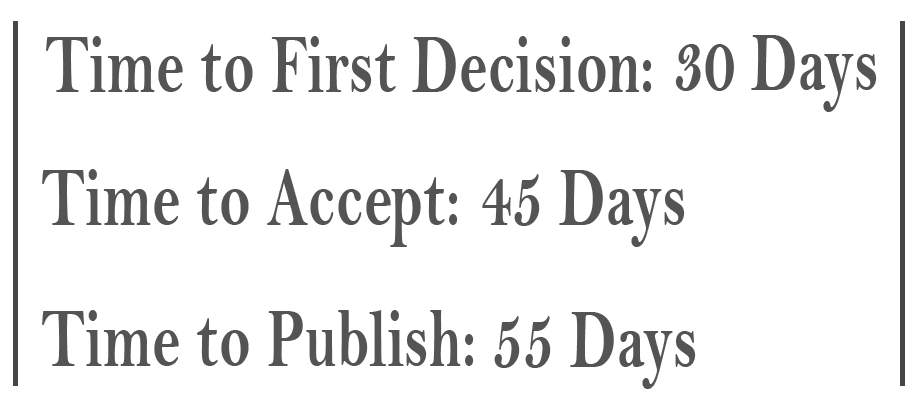
Received: 2025/04/27 | Accepted: 2025/06/25 | Published: 2025/06/30
Received: 2025/04/27 | Accepted: 2025/06/25 | Published: 2025/06/30
References
1. Momenimovahed Z, Salehiniya H. Epidemiological characteristics of and risk factors for breast cancer in the world. Breast cancer: targets and therapy. 2019:151-64. [DOI:10.2147/BCTT.S176070]
2. Dehesh T, Fadaghi S, Seyedi M, Abolhadi E, Ilaghi M, Shams P, et al. The relation between obesity and breast cancer risk in women by considering menstruation status and geographical variations: a systematic review and meta-analysis. BMC women's health. 2023;23(1):392. [DOI:10.1186/s12905-023-02543-5]
3. Balaji K, Subramanian B, Yadav P, Radha CA, Ramasubramanian V. Radiation therapy for breast cancer: Literature review. Medical Dosimetry. 2016;41(3):253-7. [DOI:10.1016/j.meddos.2016.06.005]
4. Zare SA, Bahador M, Yazdani S. Comparison of lung and contralateral scattered breast dose between field-in-field and wedge techniques in patients with early breast cancer. Frontiers in Biomedical Technologies. 2024;11(3):486-91. [DOI:10.18502/fbt.v11i3.15892]
5. Burke G, Faithfull S, Probst H. Radiation induced skin reactions during and following radiotherapy: A systematic review of interventions. Radiography. 2022;28(1):232-9. [DOI:10.1016/j.radi.2021.09.006]
6. Rzepecki A, Birnbaum M, Ohri N, Daily J, Fox J, Bodner W, et al. Characterizing the effects of radiation dermatitis on quality of life: a prospective survey-based study. Journal of the American Academy of Dermatology. 2022;86(1):161-3. [DOI:10.1016/j.jaad.2019.03.011]
7. Lucey P, Zouzias C, Franco L, Chennupati SK, Kalnicki S, McLellan BN. Practice patterns for the prophylaxis and treatment of acute radiation dermatitis in the United States. Supportive Care in Cancer. 2017;25(9):2857-62. [DOI:10.1007/s00520-017-3701-0]
8. Purswani JM, Nwankwo C, Adotama P, Gutierrez D, Perez CA, Tattersall IW, et al. Radiation-induced skin changes after breast or chest wall irradiation in patients with breast cancer and skin of color: a systematic review. Clinical Breast Cancer. 2023;23(1):1-14. [DOI:10.1016/j.clbc.2022.10.002]
9. Yee C, Wang K, Asthana R, Drost L, Lam H, Lee J, et al. Radiation-induced skin toxicity in breast cancer patients: a systematic review of randomized trials. Clinical Breast Cancer. 2018;18(5):e825-e40. [DOI:10.1016/j.clbc.2018.06.015]
10. Arribas Lopez E, Zand Fard N, Ojo O, Kochhar T. A systematic review and meta-analysis of the effect 2 of zinc on wound healing. British Medical Journal (The BMJ). 2024.
11. Costa MI, Sarmento-Ribeiro AB, Gonçalves AC. Zinc: from biological functions to therapeutic potential. International Journal of Molecular Sciences. 2023;24(5):4822. [DOI:10.3390/ijms24054822]
12. Kim B, Lee W-W. Regulatory role of zinc in immune cell signaling. Molecules and cells. 2021;44(5):335-41. [DOI:10.14348/molcells.2021.0061]
13. Dhaliwal S, Nguyen M, Vaughn AR, Notay M, Chambers CJ, Sivamani RK. Effects of zinc supplementation on inflammatory skin diseases: a systematic review of the clinical evidence. American journal of clinical dermatology. 2020;21(1):21-39. [DOI:10.1007/s40257-019-00484-0]
14. Ertekin MV, Tekin SB, Erdoğan F, Karslioğlu I, Gepdiremen A, Sezen O, et al. The effect of zinc sulphate in the prevention of radiation-induced dermatitis. Journal of radiation research. 2004;45(4):543-8. [DOI:10.1269/jrr.45.543]
15. Kandaz M, Ertekin MV, Karslıoğlu İ, Erdoğan F, Sezen O, Gepdiremen A, et al. Zinc sulfate and/or growth hormone administration for the prevention of radiation-induced dermatitis: a placebo-controlled rat model study. Biological Trace Element Research. 2017;179(1):110-6. [DOI:10.1007/s12011-017-0952-z]
16. Gorgu S, Ilknur A, Sercan O, Rahsan H, Nalan A. The effect of zinc sulphate in the prevention of radiation induced oral mucositis in patents with head and neck cancer. International Journal of Radiation Research. 2013;11(2):111.
17. Moslemi D, Babaee N, Damavandi M, Pourghasem M, Moghadamnia A. Oral zinc sulphate and prevention of radiation-induced oropharyngealmucositis in patients with head and neck cancers: A double blind, randomized controlled clinical trial. International Journal of Radiation Research. 2014;12(3):235-41.
18. Glutsch V, Hamm H, Goebeler M. Zinc and skin: an update. JDDG: Journal der Deutschen Dermatologischen Gesellschaft. 2019;17(6):589-96.
_g [DOI:10.1111/ddg.13811]
19. Tayal S, Kaur N, Kaur T, Chadha VD. Zinc as an adjunct in radiation-based therapies: Evidences of radioprotection and mechanistic insights. Nutrition and Health. 2025:02601060251329404. [DOI:10.1177/02601060251329404]
20. Searle T, Ali FR, Al-Niaimi F. Zinc in dermatology. Journal of Dermatological Treatment. 2022;33(5):2455-8. [DOI:10.1080/09546634.2022.2062282]
21. Ogawa Y, Kinoshita M, Shimada S, Kawamura T. Zinc and skin disorders. Nutrients. 2018;10(2):199. [DOI:10.3390/nu10020199]
22. Penny ME. Zinc supplementation in public health. Annals of Nutrition and Metabolism. 2013;62(Suppl. 1):31-42. [DOI:10.1159/000348263]
23. Anandhi P, Sharief RM, Rahila C. The benefit of zinc sulfate in oropharyngeal mucositis during hyperfractionated accelerated concomitant boost radiotherapy with concurrent cisplatin for advanced-stage oropharyngeal and hypopharyngeal cancers. Indian Journal of Palliative Care. 2020;26(4):437. [DOI:10.4103/IJPC.IJPC_20_20]
24. Ertekin MV, Koç M, Karslioǧlu I, Sezen O. Zinc sulfate in the prevention of radiation-induced oropharyngeal mucositis: a prospective, placebo-controlled, randomized study. International Journal of Radiation Oncology* Biology* Physics. 2004;58(1):167-74. [DOI:10.1016/S0360-3016(03)01562-1]
25. Sangthawan D, Phungrassami T, Sinkitjarurnchai W. A randomized double-blind, placebo-controlled trial of zinc sulfate supplementation for alleviation of radiation-induced oral mucositis and pharyngitis in head and neck cancer patients. J Med Assoc Thai. 2013;96(1):69-76.
26. Mosalaei A, Nasrolahi H, Shafizad A, Ahmadloo N, Ansari M, Mosleh-Shirazi MA, et al. Effect of Oral Zinc Sulphate in Prevention of Radiation Induced Oropharyngeal Mucositis During and After Radiotherapy in Patients with Head and Neck Cancers. Middle East Journal of Cancer. 2010;1(2):69-76.
27. Shuai T, Tian X, Shi B, Chen H, Liu X-L, Yi L-J, et al. Prophylaxis with oral zinc sulfate against radiation induced oral mucositis in patients with head and neck cancers: a systematic review and meta-analysis of four randomized controlled trials. Frontiers in oncology. 2019;9:165. [DOI:10.3389/fonc.2019.00165]
28. Lomax ME, Folkes LK, O'Neill P. Biological consequences of radiation-induced DNA damage: relevance to radiotherapy. Clinical oncology. 2013;25(10):578-85. [DOI:10.1016/j.clon.2013.06.007]
29. Wei J, Meng L, Hou X, Qu C, Wang B, Xin Y, et al. Radiation-induced skin reactions: mechanism and treatment. Cancer management and research. 2018:167-77. [DOI:10.2147/CMAR.S188655]
30. Rübe CE, Freyter BM, Tewary G, Roemer K, Hecht M, Rübe C. Radiation dermatitis: radiation-induced effects on the structural and immunological barrier function of the epidermis. International Journal of Molecular Sciences. 2024;25(6):3320. [DOI:10.3390/ijms25063320]
31. Hegedus F, Mathew LM, Schwartz RA. Radiation dermatitis: an overview. International journal of dermatology. 2017;56(9):909-14. [DOI:10.1111/ijd.13371]
32. Wu FY-H, Wu C-W. The role of zinc in DNA and RNA polymerases. Metal ions in biological systems. 2023:157-92. [DOI:10.1201/9781003418092-4]
33. Palermo G, Cavalli A, Klein ML, Alfonso-Prieto M, Dal Peraro M, De Vivo M. Catalytic metal ions and enzymatic processing of DNA and RNA. Accounts of chemical research. 2015;48(2):220-8. [DOI:10.1021/ar500314j]
34. Cassandri M, Smirnov A, Novelli F, Pitolli C, Agostini M, Malewicz M, et al. Zinc-finger proteins in health and disease. Cell death discovery. 2017;3(1):1-12. [DOI:10.1038/cddiscovery.2017.71]
35. Abdou I, Poirier GG, Hendzel MJ, Weinfeld M. DNA ligase III acts as a DNA strand break sensor in the cellular orchestration of DNA strand break repair. Nucleic acids research. 2015;43(2):875-92. [DOI:10.1093/nar/gku1307]
36. Chasapis CT, Ntoupa P-SA, Spiliopoulou CA, Stefanidou ME. Recent aspects of the effects of zinc on human health. Archives of toxicology. 2020;94(5):1443-60. [DOI:10.1007/s00204-020-02702-9]
37. Ogawa Y, Kawamura T, Shimada S. Zinc and skin biology. Archives of biochemistry and biophysics. 2016;611:113-9. [DOI:10.1016/j.abb.2016.06.003]
38. Jarosz M, Olbert M, Wyszogrodzka G, Młyniec K, Librowski T. Antioxidant and anti-inflammatory effects of zinc. Zinc-dependent NF-κB signaling. Inflammopharmacology. 2017;25(1):11-24. [DOI:10.1007/s10787-017-0309-4]
39. Prasad AS. Zinc: an antioxidant and anti-inflammatory agent: role of zinc in degenerative disorders of aging. Journal of Trace Elements in Medicine and Biology. 2014;28(4):364-71. [DOI:10.1016/j.jtemb.2014.07.019]
Send email to the article author
| Rights and permissions | |
 |
This work is licensed under a Creative Commons Attribution-NonCommercial 4.0 International License. |

- Iranian Journal of Blood and Cancer
- Journal Tel: +989369936116
- Publisher Tel: +982122275917
- Mail: Info@ijbc.ir