Thu, Feb 19, 2026
[Archive]
Volume 17, Issue 2 (June-2025 2025)
Iranian Journal of Blood and Cancer 2025, 17(2): 1-12 |
Back to browse issues page



Download citation:
BibTeX | RIS | EndNote | Medlars | ProCite | Reference Manager | RefWorks
Send citation to:


BibTeX | RIS | EndNote | Medlars | ProCite | Reference Manager | RefWorks
Send citation to:
saniei E, H. Issa A, Azarkeivan A, Abolghasemi H, Karimipoor M. Clinical and Biochemical Heterogeneity in Hemoglobin H Disease: A Comprehensive Analysis of α-Globin Mutations and Transfusion Requirements. Iranian Journal of Blood and Cancer 2025; 17 (2) :1-12
URL: http://ijbc.ir/article-1-1717-en.html
URL: http://ijbc.ir/article-1-1717-en.html
Elaheh Saniei *1 
 , Abdulkareem H. Issa2 , Azita Azarkeivan3 , Hassan Abolghasemi4 , Morteza Karimipoor5
, Abdulkareem H. Issa2 , Azita Azarkeivan3 , Hassan Abolghasemi4 , Morteza Karimipoor5
1- Department of chemistry and biochemistry, college of medicine, Mustansiriyah University, Baghdad, Iraq. , elahetisaniei@uomustansiriyah.edu.iq
2- Department of chemistry and biochemistry, college of medicine, Mustansiriyah University, Baghdad, Iraq.
3- Iranian Blood Transfusion Organization (IBTO), High Institute for Research and Education in Transfusion Medicine, Thalassemia Clinic, Tehran, Iran.
4- Department of pediatrics, Baqiyatallah University of Medical Sciences, Tehran, Iran.
5- Department of Molecular Medicine, Biotechnology Research Center, Pasteur Institute of Iran, Tehran, Iran.
2- Department of chemistry and biochemistry, college of medicine, Mustansiriyah University, Baghdad, Iraq.
3- Iranian Blood Transfusion Organization (IBTO), High Institute for Research and Education in Transfusion Medicine, Thalassemia Clinic, Tehran, Iran.
4- Department of pediatrics, Baqiyatallah University of Medical Sciences, Tehran, Iran.
5- Department of Molecular Medicine, Biotechnology Research Center, Pasteur Institute of Iran, Tehran, Iran.
Abstract: (1156 Views)
Background: Hemoglobin H (Hb H) disease, a subtype of α-thalassemia, demonstrates marked clinical heterogeneity primarily driven by underlying genotypic differences. While non-deletional mutations are typically associated with more severe phenotypes, considerable variability is observed even among patients with similar mutation classes. This study aimed to examine genotype–phenotype correlations in Hb H disease by assessing the relationship between α-globin mutations, transfusion dependency, and a range of hematologic and biochemical markers.
Methods: Ninety patients with confirmed Hb H disease were evaluated. Genotyping was performed via multiplex gap-PCR, Sanger sequencing, and MLPA. Patients were classified by transfusion need into transfusion-dependent (TDT), occasionally transfused (OTDT), and non-transfusion-dependent (NTDT) groups. Genotypically, patients were categorized as non-deletional homozygotes (ND/ND), compound heterozygotes (ND/D), and deletional homozygotes (D/D). Complete blood count, hemoglobin fractions, iron profile, liver enzymes, and C-reactive protein (CRP) levels were measured and analyzed.
Results: Significant differences in hematologic and biochemical parameters were observed across genotypes. ND/ND patients had the highest hemoglobin (10.70 ± 1.83 g/dL), MCV (66.06 ± 8.43 fL), and HbA levels (93.72 ± 5.13%), and the lowest reticulocyte counts and Hb H percentages (p < 0.01). ND/D patients exhibited lower HbA, higher Hb H, and elevated ferritin (438.66 ± 840.60 ng/mL) and CRP (3.97 ± 4.75 mg/L) levels (p < 0.05), indicating greater erythropoietic stress. Transfusion dependence was most frequent in ND/D patients, though not statistically significant (p = 0.34).
Conclusion: This study highlights substantial phenotypic variability within genotypic groups, challenging the binary classification of deletional versus non-deletional mutations. Integrating molecular data with functional and inflammatory biomarkers may enhance risk stratification and support individualized management of Hb H disease.
Methods: Ninety patients with confirmed Hb H disease were evaluated. Genotyping was performed via multiplex gap-PCR, Sanger sequencing, and MLPA. Patients were classified by transfusion need into transfusion-dependent (TDT), occasionally transfused (OTDT), and non-transfusion-dependent (NTDT) groups. Genotypically, patients were categorized as non-deletional homozygotes (ND/ND), compound heterozygotes (ND/D), and deletional homozygotes (D/D). Complete blood count, hemoglobin fractions, iron profile, liver enzymes, and C-reactive protein (CRP) levels were measured and analyzed.
Results: Significant differences in hematologic and biochemical parameters were observed across genotypes. ND/ND patients had the highest hemoglobin (10.70 ± 1.83 g/dL), MCV (66.06 ± 8.43 fL), and HbA levels (93.72 ± 5.13%), and the lowest reticulocyte counts and Hb H percentages (p < 0.01). ND/D patients exhibited lower HbA, higher Hb H, and elevated ferritin (438.66 ± 840.60 ng/mL) and CRP (3.97 ± 4.75 mg/L) levels (p < 0.05), indicating greater erythropoietic stress. Transfusion dependence was most frequent in ND/D patients, though not statistically significant (p = 0.34).
Conclusion: This study highlights substantial phenotypic variability within genotypic groups, challenging the binary classification of deletional versus non-deletional mutations. Integrating molecular data with functional and inflammatory biomarkers may enhance risk stratification and support individualized management of Hb H disease.
: Original Article |
Subject:
Pediatric Hematology & Oncology
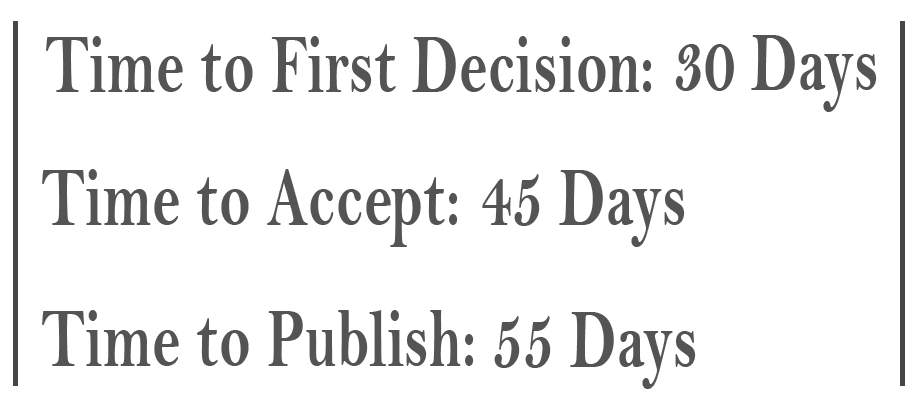
Received: 2025/04/11 | Accepted: 2025/05/22 | Published: 2025/06/30
Received: 2025/04/11 | Accepted: 2025/05/22 | Published: 2025/06/30
References
1. Harteveld CL, Higgs DRJOjord. α-thalassaemia. 2010;5:1-21. [DOI:10.1186/1750-1172-5-13]
2. Higgs DRJCSHpim. The molecular basis of α-thalassemia. 2013;3(1):a011718. [DOI:10.1101/cshperspect.a011718]
3. Lal A, Goldrich ML, Haines DA, Azimi M, Singer ST, Vichinsky EPJNEJoM. Heterogeneity of hemoglobin H disease in childhood. 2011;364(8):710-8. [DOI:10.1056/NEJMoa1010174]
4. Galanello R, Cao AJGim. Alpha-thalassemia. 2011;13(2):83-8. [DOI:10.1097/GIM.0b013e3181fcb468]
5. Musallam KM, Rivella S, Vichinsky E, Rachmilewitz EAJh. Non-transfusion-dependent thalassemias. 2013;98(6):833. [DOI:10.3324/haematol.2012.066845]
6. Viprakasit V, Ekwattanakit SJHOC. Clinical classification, screening and diagnosis for thalassemia. 2018;32(2):193-211. [DOI:10.1016/j.hoc.2017.11.006]
7. Chen FE, Ooi C, Ha SY, Cheung BM, Todd D, Liang R, et al. Genetic and clinical features of hemoglobin H disease in Chinese patients. 2000;343(8):544-50. [DOI:10.1056/NEJM200008243430804]
8. Clark B, Thein SJC, Haematology L. Molecular diagnosis of haemoglobin disorders. 2004;26(3):159-76. [DOI:10.1111/j.1365-2257.2004.00607.x]
9. Abolghasemi H, Kamfar S, Azarkeivan A, Karimi M, Keikhaei B, Abolghasemi F, et al. Clinical and genetic characteristics of hemoglobin H disease in Iran. 2022;39(6):489-99. [DOI:10.1080/08880018.2021.2017529]
10. MWer S, Dykes D, Polesky HJNar. A simple salting out procedure for extracting DNA from human nucleated cells. 1988;16(3):1215. [DOI:10.1093/nar/16.3.1215]
11. Chong SS, Boehm CD, Higgs DR, Cutting GRJB, The Journal of the American Society of Hematology. Single-tube multiplex-PCR screen for common deletional determinants of α-thalassemia. 2000;95(1):360-2. [DOI:10.1182/blood.V95.1.360.001k03_360_362]
12. Giardine B, Borg J, Viennas E, Pavlidis C, Moradkhani K, Joly P, et al. Updates of the HbVar database of human hemoglobin variants and thalassemia mutations. 2014;42(D1):D1063-D9. [DOI:10.1093/nar/gkt911]
13. O'Leary NA, Wright MW, Brister JR, Ciufo S, Haddad D, McVeigh R, et al. Reference sequence (RefSeq) database at NCBI: current status, taxonomic expansion, and functional annotation. 2016;44(D1):D733-D45. [DOI:10.1093/nar/gkv1189]
14. Rivella SJB, The Journal of the American Society of Hematology. Iron metabolism under conditions of ineffective erythropoiesis in β-thalassemia. 2019;133(1):51-8. [DOI:10.1182/blood-2018-07-815928]
15. Gardenghi S, Marongiu MF, Ramos P, Guy E, Breda L, Chadburn A, et al. Ineffective erythropoiesis in β-thalassemia is characterized by increased iron absorption mediated by down-regulation of hepcidin and up-regulation of ferroportin. 2007;109(11):5027-35. [DOI:10.1182/blood-2006-09-048868]
16. Khandros E, Weiss MJJHocoNA. Protein quality control during erythropoiesis and hemoglobin synthesis. 2010;24(6):1071. [DOI:10.1016/j.hoc.2010.08.013]
17. Vichinsky EJAotNYAoS. Complexity of alpha thalassemia: growing health problem with new approaches to screening, diagnosis, and therapy. 2010;1202(1):180-7. [DOI:10.1111/j.1749-6632.2010.05572.x]
18. Sollaino MC, Paglietti ME, Perseu L, Giagu N, Loi D, Galanello RJH. Association of α globin gene quadruplication and heterozygous β thalassemia in patients with thalassemia intermedia. 2009;94(10):1445. [DOI:10.3324/haematol.2009.005728]
19. Fucharoen S, Viprakasit VJAEPB. Hb H disease: clinical course and disease modifiers. 2009;2009(1):26-34. [DOI:10.1182/asheducation-2009.1.26]
Send email to the article author
| Rights and permissions | |
 |
This work is licensed under a Creative Commons Attribution-NonCommercial 4.0 International License. |

- Iranian Journal of Blood and Cancer
- Journal Tel: +989369936116
- Publisher Tel: +982122275917
- Mail: Info@ijbc.ir