Sat, Feb 21, 2026
[Archive]
Volume 17, Issue 2 (June-2025 2025)
Iranian Journal of Blood and Cancer 2025, 17(2): 46-57 |
Back to browse issues page



Download citation:
BibTeX | RIS | EndNote | Medlars | ProCite | Reference Manager | RefWorks
Send citation to:


BibTeX | RIS | EndNote | Medlars | ProCite | Reference Manager | RefWorks
Send citation to:
Rahimi M, Kashani K, Hosseinpour V, Gozali E. Artificial Intelligence in Gynecologic Cancer: A Review of Applications and Advancements. Iranian Journal of Blood and Cancer 2025; 17 (2) :46-57
URL: http://ijbc.ir/article-1-1741-en.html
URL: http://ijbc.ir/article-1-1741-en.html


1- Health and Biomedical Informatics Research Center, Urmia University of Medical Sciences, Urmia, Iran. & Department of Medical Informatics, School of Allied Medical Sciences, Urmia University of Medical Sciences, Urmia, Iran.
2- Department of Emergency Medicine, Urmia University of Medical Sciences, Urmia, Iran.
3- Assistant Professor, Department of Health Information Technology, School of Allied Medical Sciences, Urmia University of Medical Sciences, Urmia, Iran. Corresponding Author. ORCID: https://orcid.org/0000-0002-9211-5934. Email: gozali_e@umsu.ac.ir. ,gozali_e@umsu.ac.ir
2- Department of Emergency Medicine, Urmia University of Medical Sciences, Urmia, Iran.
3- Assistant Professor, Department of Health Information Technology, School of Allied Medical Sciences, Urmia University of Medical Sciences, Urmia, Iran. Corresponding Author. ORCID: https://orcid.org/0000-0002-9211-5934. Email: gozali_e@umsu.ac.ir. ,
Abstract: (1343 Views)
Gynecologic cancers, including cervical, ovarian, endometrial, vaginal, and vulvar malignancies, remain a major global health burden, accounting for substantial morbidity and mortality among women. Despite advances in conventional treatments such as surgery, chemotherapy, and radiotherapy, survival outcomes remain suboptimal, particularly in cases diagnosed at advanced stages. In recent years, artificial intelligence (AI) has emerged as a transformative tool in gynecologic oncology, offering novel approaches to enhance diagnostic accuracy, stratify risk, personalize treatment strategies, and streamline clinical workflows. This narrative review provides a comprehensive overview of the current and emerging applications of AI in the management of gynecologic cancers. Key developments are discussed, including deep learning models for imaging interpretation, AI-driven biomarker analysis for early detection, and predictive algorithms for assessing treatment response and toxicity risk. Additionally, the use of AI in automating cytopathology and optimizing resource allocation is explored. While early findings are promising, challenges remain regarding the generalizability of AI models across diverse populations, the need for standardized datasets, and the integration of AI tools into routine clinical practice. Addressing these limitations is essential to ensure safe, equitable, and effective implementation. Overall, this review underscores the potential of AI to significantly improve patient outcomes and clinical efficiency in gynecologic oncology. Future research and interdisciplinary collaboration will be critical in translating these innovations into real-world clinical benefit.
Keywords: Gynecologic cancers, Oncology, Malignancy, Artificial intelligence, Deep learning, Machine learning
: Review Article |
Subject:
AI in Medicine
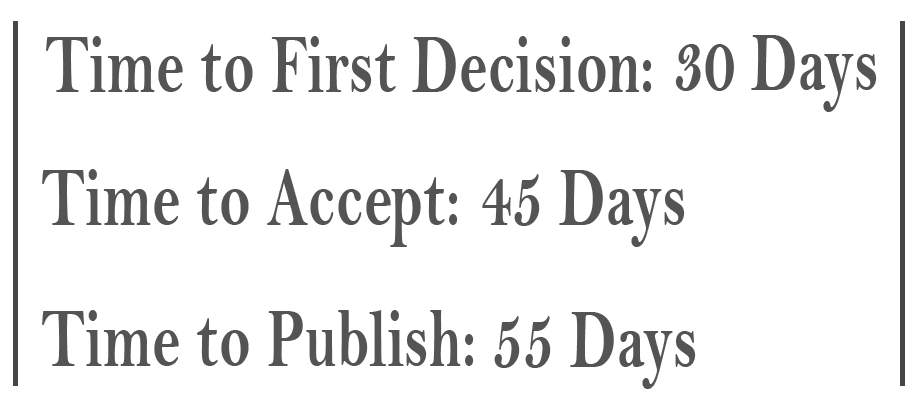
Received: 2025/05/7 | Accepted: 2025/05/29 | Published: 2025/06/30
Received: 2025/05/7 | Accepted: 2025/05/29 | Published: 2025/06/30
References
1. Taddese AA, Tilahun BC, Awoke T, Atnafu A, Mamuye A, Mengiste SA. Deep-learning models for image-based gynecological cancer diagnosis: a systematic review and meta-analysis. Frontiers in Oncology. 2024;13:1216326. [DOI:10.3389/fonc.2023.1216326]
2. Ferlay J, Soerjomataram I, Dikshit R, Eser S, Mathers C, Rebelo M, et al. Cancer incidence and mortality worldwide: sources, methods and major patterns in GLOBOCAN 2012. International journal of cancer. 2015;136(5):E359-E86. [DOI:10.1002/ijc.29210]
3. Sung H, Ferlay J, Siegel RL, Laversanne M, Soerjomataram I, Jemal A, et al. Global cancer statistics 2020: GLOBOCAN estimates of incidence and mortality worldwide for 36 cancers in 185 countries. CA: a cancer journal for clinicians. 2021;71(3):209-49. [DOI:10.3322/caac.21660]
4. Wardle J, Robb K, Vernon S, Waller J. Screening for prevention and early diagnosis of cancer. American psychologist. 2015;70(2):119. [DOI:10.1037/a0037357]
5. Korenaga T-RK, Yoshida EJ, Pierson W, Chang J, Ziogas A, Swanson ML, et al. Better late than never: brachytherapy is more important than timing in treatment of locally advanced cervical cancer. Gynecologic Oncology. 2022;164(2):348-56. [DOI:10.1016/j.ygyno.2021.11.015]
6. Kim YA, Yang MS, Park M, Choi MG, Kim SY, Kim Y-J. Brachytherapy utilization rate and effect on survival in cervical cancer patients in Korea. Journal of gynecologic oncology. 2021;32(6):e85. [DOI:10.3802/jgo.2021.32.e85]
7. Spampinato S, Jensen NB, Pötter R, Fokdal LU, Chargari C, Lindegaard JC, et al. Severity and persistency of late gastrointestinal morbidity in locally advanced cervical cancer: lessons learned from EMBRACE-I and implications for the future. International Journal of Radiation Oncology* Biology* Physics. 2022;112(3):681-93. [DOI:10.1016/j.ijrobp.2021.09.055]
8. Liu L, Liu J, Su Q, Chu Y, Xia H, Xu R. Performance of artificial intelligence for diagnosing cervical intraepithelial neoplasia and cervical cancer: a systematic review and meta-analysis. EClinicalMedicine. 2025;80. [DOI:10.1016/j.eclinm.2024.102992]
9. Hatamikia S, Nougaret S, Panico C, Avesani G, Nero C, Boldrini L, et al. Ovarian cancer beyond imaging: integration of AI and multiomics biomarkers. European Radiology Experimental. 2023;7(1):50. [DOI:10.1186/s41747-023-00364-7]
10. Mitchell S, Nikolopoulos M, El-Zarka A, Al-Karawi D, Al-Zaidi S, Ghai A, et al. Artificial intelligence in ultrasound diagnoses of ovarian cancer: a systematic review and meta-analysis. Cancers. 2024;16(2):422. [DOI:10.3390/cancers16020422]
11. Wang J, Zeng Z, Li Z, Liu G, Zhang S, Luo C, et al. The clinical application of artificial intelligence in cancer precision treatment. Journal of Translational Medicine. 2025;23(1):120.
https://doi.org/10.1186/s12967-018-1501-z [DOI:10.1186/s12967-025-06139-5]
12. Jiang Y, Wang C, Zhou S, editors. Artificial intelligence-based risk stratification, accurate diagnosis and treatment prediction in gynecologic oncology. Seminars in cancer biology; 2023: Elsevier. [DOI:10.1016/j.semcancer.2023.09.005]
13. Dellino M, Cerbone M, d'Amati A, Bochicchio M, Laganà AS, Etrusco A, et al. Artificial Intelligence in Cervical Cancer Screening: Opportunities and Challenges. AI. 2024;5(4):2984-3000. [DOI:10.3390/ai5040144]
14. Mysona DP, Kapp DS, Rohatgi A, Lee D, Mann AK, Tran P, et al. Applying artificial intelligence to gynecologic oncology: a review. Obstetrical & Gynecological Survey. 2021;76(5):292-301. [DOI:10.1097/OGX.0000000000000902]
15. Kchaou L, Mousli A, Ghorbel A, Zid KB, Zarraa S, Yahiaoui S, et al. 1309 The impact of artificial intelligence for gynaecological cancer delineation. International Journal of Gynecological Cancer. 2024;34:A557-A8. [DOI:10.1136/ijgc-2024-ESGO.1094]
16. Golan T, Purim O, Rosin D, Sapir E, Gatt M, Charas T, et al. Multi-institutional validation survey on Belong. life's conversational artificial intelligence (AI) oncology mentor," Dave. American Society of Clinical Oncology; 2024. [DOI:10.1200/JCO.2024.42.16_suppl.e13596]
17. Baker A, Perov Y, Middleton K, Baxter J, Mullarkey D, Sangar D, et al. A comparison of artificial intelligence and human doctors for the purpose of triage and diagnosis. Frontiers in artificial intelligence. 2020;3:543405. [DOI:10.3389/frai.2020.543405]
18. Li Y, Liang S, Zhu B, Liu X, Li J, Chen D, et al. Feasibility and effectiveness of artificial intelligence-driven conversational agents in healthcare interventions: A systematic review of randomized controlled trials. International Journal of Nursing Studies. 2023;143:104494. [DOI:10.1016/j.ijnurstu.2023.104494]
19. Santoshi S, Sengupta D. Artificial intelligence in precision medicine: A perspective in biomarker and drug discovery. Artificial Intelligence and Machine Learning in Healthcare. 2021:71-88. [DOI:10.1007/978-981-16-0811-7_4]
20. Khansari N. AI machine learning improves personalized cancer therapies. Australasian Medical Journal (Online). 2024;17(2):1166-73.
21. Weimann TG, Gißke C. Unleashing the Potential of Reinforcement Learning for Personalizing Behavioral Transformations with Digital Therapeutics: A Systematic Literature Review. BIOSTEC (2). 2024:230-45. [DOI:10.5220/0012474700003657]
22. Tsiouris KM, Tsakanikas VD, Gatsios D, Fotiadis DI. A review of virtual coaching systems in healthcare: closing the loop with real-time feedback. Frontiers in Digital Health. 2020;2:567502. [DOI:10.3389/fdgth.2020.567502]
23. Nyiramana Mukamurera P. The role of artificial intelligence in clinical decision support systems. Research Invention Journal of Public Health and Pharmacy. 2024;3(2):14-7. [DOI:10.59298/RIJPP/2024/321417]
24. Walczak S. The role of artificial intelligence in clinical decision support systems and a classification framework. Data Analytics in Medicine: Concepts, Methodologies, Tools, and Applications: IGI Global Scientific Publishing; 2020. p. 390-409. [DOI:10.4018/978-1-7998-1204-3.ch021]
25. Yang CC. Explainable artificial intelligence for predictive modeling in healthcare. Journal of healthcare informatics research. 2022;6(2):228-39. [DOI:10.1007/s41666-022-00114-1]
26. Vallée A. Digital twin for healthcare systems. Frontiers in Digital Health. 2023;5:1253050. [DOI:10.3389/fdgth.2023.1253050]
27. Bhatt P, Liu J, Gong Y, Wang J, Guo Y. Emerging artificial intelligence-empowered mhealth: scoping review. JMIR mHealth and uHealth. 2022;10(6):e35053. [DOI:10.2196/35053]
28. Saidi R, Moulahi T, Aladhadh S, Zidi S, editors. Advancing Federated Learning: Optimizing Model Accuracy through Privacy-Conscious Data Sharing. 2024 IEEE 25th International Symposium on a World of Wireless, Mobile and Multimedia Networks (WoWMoM); 2024: IEEE. [DOI:10.1109/WoWMoM60985.2024.00022]
29. Gillies RJ, Schabath MB. Radiomics improves cancer screening and early detection. Cancer Epidemiology, Biomarkers & Prevention. 2020;29(12):2556-67. [DOI:10.1158/1055-9965.EPI-20-0075]
30. Shah YAR, Qureshi HA, Qureshi SM, Shah SUR, Shiwlani A, Ahmad A. A Review of Evaluating Deep Learning Techniques in Hepatic Cancer Imaging: Automated Segmentation and Tumor Quantification. International Journal For Multidisciplinary Research. 2024;6(5). [DOI:10.36948/ijfmr.2024.v06i05.26719]
31. Xia X, Wang J, Li Y, Peng J, Fan J, Zhang J, et al. An artificial intelligence-based full-process solution for radiotherapy: a proof of concept study on rectal cancer. Frontiers in Oncology. 2021;10:616721. [DOI:10.3389/fonc.2020.616721]
32. Bibault J-E, Giraud P. Deep learning for automated segmentation in radiotherapy: a narrative review. British Journal of Radiology. 2024;97(1153):13-20. [DOI:10.1093/bjr/tqad018]
33. Moro F, Ciancia M, Zace D, Vagni M, Tran HE, Giudice MT, et al. Role of artificial intelligence applied to ultrasound in gynecology oncology: A systematic review. International journal of cancer. 2024;155(10):1832-45. [DOI:10.1002/ijc.35092]
34. Wang H, Zhang J, Bao S, Liu J, Hou F, Huang Y, et al. Preoperative MRI‐based radiomic machine‐learning nomogram may accurately distinguish between benign and malignant soft‐tissue lesions: a two‐center study. Journal of Magnetic Resonance Imaging. 2020;52(3):873-82. [DOI:10.1002/jmri.27111]
35. Wang H, Liu C, Zhao Z, Zhang C, Wang X, Li H, et al. Application of deep convolutional neural networks for discriminating benign, borderline, and malignant serous ovarian tumors from ultrasound images. Frontiers in oncology. 2021;11:770683. [DOI:10.3389/fonc.2021.770683]
36. Bifarin OO, Fernández FM. Automated machine learning and explainable AI (AutoML-XAI) for metabolomics: improving cancer diagnostics. Journal of the American Society for Mass Spectrometry. 2024;35(6):1089-100. [DOI:10.1021/jasms.3c00403]
37. Boehm KM, Khosravi P, Vanguri R, Gao J, Shah SP. Harnessing multimodal data integration to advance precision oncology. Nature Reviews Cancer. 2022;22(2):114-26. [DOI:10.1038/s41568-021-00408-3]
38. Yadav P, Li Z, Zhou Y. Artificial Intelligence and Imaging for Oncology: Frontiers Media SA; 2025. [DOI:10.3389/978-2-8325-6019-8]
39. Aburub F, Agha ASA, editors. AI-driven psychological support and cognitive rehabilitation strategies in post-cancer care. 2024 2nd International Conference on Cyber Resilience (ICCR); 2024: IEEE. [DOI:10.1109/ICCR61006.2024.10532962]
40. Nunez J-J, Leung B, Ho C, Ng RT, Bates AT. Predicting which patients with cancer will see a psychiatrist or counsellor from their initial oncology consultation document using natural language processing. Communications Medicine. 2024;4(1):69. [DOI:10.1038/s43856-024-00495-x]
41. Palmirotta C, Aresta S, Battista P, Tagliente S, Lagravinese G, Mongelli D, et al. Unveiling the Diagnostic Potential of Linguistic Markers in Identifying Individuals with Parkinson's Disease through Artificial Intelligence: A Systematic Review. Brain Sciences. 2024;14(2):137. [DOI:10.3390/brainsci14020137]
42. Bhat C, Kopparapu SK, editors. Harnessing Speech Technology for Mental Health Assessment and Detection. Proc SMM23, Workshop on Speech, Music and Mind 2023; 2023. [DOI:10.21437/SMM.2023-6]
43. Qu Y, Zhang Y, Zhou X, Wang L, Zhu X, Jin S, et al. Constructing a Predictive Model for Psychological Distress of Young‐and Middle‐Aged Gynaecological Cancer Patients. Journal of Evaluation in Clinical Practice. 2025;31(1):e14244. [DOI:10.1111/jep.14244]
44. Zhang A, Kamat A, Acquati C, Aratow M, Kim JS, DuVall AS, et al. Evaluating the feasibility and acceptability of an artificial-intelligence-enabled and speech-based distress screening mobile app for adolescents and young adults diagnosed with cancer: a study protocol. Cancers. 2022;14(4):914. [DOI:10.3390/cancers14040914]
45. Gatla TR. A Next-Generation Device Utilizing Artificial Intelligence For Detecting Heart Rate Variability And Stress Management.
46. Fang A, Zhu H. Matching for Peer Support: Exploring Algorithmic Matching for Online Mental Health Communities. Proceedings of the ACM on Human-Computer Interaction. 2022;6(CSCW2):1-37. [DOI:10.1145/3555202]
47. Vlahovic TA, Wang Y-C, Kraut RE, Levine JM, editors. Support matching and satisfaction in an online breast cancer support community. Proceedings of the sigchi conference on human factors in computing systems; 2014. [DOI:10.1145/2556288.2557108]
48. Leung YW, Wouterloot E, Adikari A, Hirst G, De Silva D, Wong J, et al. Natural language processing-based virtual cofacilitator for online cancer support groups: protocol for an algorithm development and validation study. JMIR research protocols. 2021;10(1):e21453. [DOI:10.2196/21453]
49. Pan A, Musheyev D, Bockelman D, Loeb S, Kabarriti AE. Assessment of artificial intelligence chatbot responses to top searched queries about cancer. JAMA oncology. 2023;9(10):1437-40. [DOI:10.1001/jamaoncol.2023.2947]
50. Naseri A, Antikchi MH, Barahman M, Shirinzadeh-Dastgiri A, HaghighiKian SM, Vakili-Ojarood M, et al. AI Chatbots in Oncology: A Comparative Study of Sider Fusion AI and Perplexity AI for Gastric Cancer Patients. Indian Journal of Surgical Oncology. 2024:1-10. [DOI:10.1007/s13193-024-02145-z]
51. Nguyen P, Fdez J, Witkowski O, editors. AI-Driven Meditation: Personalization for Inner Peace. International Conference on Computational Intelligence in Music, Sound, Art and Design (Part of EvoStar); 2024: Springer. [DOI:10.1007/978-3-031-56992-0_19]
52. Chung AH, Gevirtz RN, Gharbo RS, Thiam MA, Ginsberg J. Pilot study on reducing symptoms of anxiety with a heart rate variability biofeedback wearable and remote stress management coach. Applied psychophysiology and biofeedback. 2021;46:347-58. [DOI:10.1007/s10484-021-09519-x]
53. Nasir MS, Alam MS, Shahi FI, Kamal MS, Upreti K, Vats P, editors. Transformative Insights: Unveiling the Potential of Artificial Intelligence in the Treatment of Sleep Disorders-A Comprehensive Review. 2023 International Conference on Emerging Trends in Networks and Computer Communications (ETNCC); 2023: IEEE. [DOI:10.1109/ETNCC59188.2023.10284945]
54. Mikles SP, Griffin AC, Chung AE. Health information technology to support cancer survivorship care planning: A systematic review. Journal of the American Medical Informatics Association. 2021;28(10):2277-86. [DOI:10.1093/jamia/ocab134]
55. Arioz U, Yildiz B, Kut R, Agim I, Üğüdücü K, editors. The Future of Applications For Clinical Decision Support Systems in Healthcare. Case Study: H2020 PERSIST Project. Proceedings of IES.
56. Sushil M, Kennedy VE, Miao BY, Mandair D, Zack T, Butte AJ. Extracting detailed oncologic history and treatment plan from medical oncology notes with large language models. arXiv preprint arXiv:230803853. 2023.
57. Lopez-Barreiro J, Garcia-Soidan JL, Alvarez-Sabucedo L, Santos-Gago JM. Artificial intelligence-powered recommender systems for promoting healthy habits and active aging: a systematic review. Applied Sciences. 2024;14(22):10220. [DOI:10.3390/app142210220]
58. Feng J, Phillips RV, Malenica I, Bishara A, Hubbard AE, Celi LA, et al. Clinical artificial intelligence quality improvement: towards continual monitoring and updating of AI algorithms in healthcare. NPJ digital medicine. 2022;5(1):66. [DOI:10.1038/s41746-022-00611-y]
59. Shao J, Ma J, Zhang Q, Li W, Wang C, editors. Predicting gene mutation status via artificial intelligence technologies based on multimodal integration (MMI) to advance precision oncology. Seminars in cancer biology; 2023: Elsevier. [DOI:10.1016/j.semcancer.2023.02.006]
60. Bera K, Braman N, Gupta A, Velcheti V, Madabhushi A. Predicting cancer outcomes with radiomics and artificial intelligence in radiology. Nature reviews Clinical oncology. 2022;19(2):132-46. [DOI:10.1038/s41571-021-00560-7]
61. Babu M, Lautman Z, Lin X, Sobota MH, Snyder MP. Wearable devices: implications for precision medicine and the future of health care. Annual Review of Medicine. 2024;75(1):401-15. [DOI:10.1146/annurev-med-052422-020437]
62. Jiménez-Sánchez D, López-Janeiro Á, Villalba-Esparza M, Ariz M, Kadioglu E, Masetto I, et al. Weakly supervised deep learning to predict recurrence in low-grade endometrial cancer from multiplexed immunofluorescence images. NPJ Digital Medicine. 2023;6(1):48. [DOI:10.1038/s41746-023-00795-x]
63. Bahado-Singh RO, Ibrahim A, Al-Wahab Z, Aydas B, Radhakrishna U, Yilmaz A, et al. Precision gynecologic oncology: circulating cell free DNA epigenomic analysis, artificial intelligence and the accurate detection of ovarian cancer. Scientific Reports. 2022;12(1):18625. [DOI:10.1038/s41598-022-23149-1]
64. Cibula D, Dostálek L, Jarkovsky J, Mom CH, Lopez A, Falconer H, et al. The annual recurrence risk model for tailored surveillance strategy in patients with cervical cancer. European journal of cancer. 2021;158:111-22. [DOI:10.1016/j.ejca.2021.09.008]
65. Haque Y, Zawad RS, Rony CSA, Al Banna H, Ghosh T, Kaiser MS, et al. State-of-the-art of stress prediction from heart rate variability using artificial intelligence. Cognitive Computation. 2024;16(2):455-81. [DOI:10.1007/s12559-023-10200-0]
66. Legris P, Bouillet B, Pâris J, Pistre P, Devaux M, Bost S, et al. Glycemic control in people with diabetes treated with cancer chemotherapy: contribution of continuous glucose monitoring. Acta Diabetologica. 2023;60(4):545-52. [DOI:10.1007/s00592-023-02032-z]
67. Thomsen M, Kersten C, Sorbye H, Skovlund E, Glimelius B, Pfeiffer P, et al. Interleukin-6 and C-reactive protein as prognostic biomarkers in metastatic colorectal cancer. Oncotarget. 2016;7(46):75013. [DOI:10.18632/oncotarget.12601]
68. Sun T, He X, Li Z. Digital twin in healthcare: Recent updates and challenges. Digital Health. 2023;9:20552076221149651. [DOI:10.1177/20552076221149651]
69. Kaul R, Ossai C, Forkan ARM, Jayaraman PP, Zelcer J, Vaughan S, et al. The role of AI for developing digital twins in healthcare: The case of cancer care. Wiley Interdisciplinary Reviews: Data Mining and Knowledge Discovery. 2023;13(1):e1480. [DOI:10.1002/widm.1480]
70. Pandey H, Amod A, Jaggi K, Garg R, Jain A, Tantia V. Digital Twin Ecosystem for Oncology Clinical Operations. arXiv preprint arXiv:240917650. 2024.
71. Sharma V, Kumar A, Sharma K. Digital twin application in women's health: Cervical cancer diagnosis with CervixNet. Cognitive Systems Research. 2024;87:101264. [DOI:10.1016/j.cogsys.2024.101264]
72. Kittrell HD, Shaikh A, Adintori PA, McCarthy P, Kohli‐Seth R, Nadkarni GN, et al. Role of artificial intelligence in critical care nutrition support and research. Nutrition in Clinical Practice. 2024;39(5):1069-80. [DOI:10.1002/ncp.11194]
73. Reber E, Schönenberger KA, Vasiloglou MF, Stanga Z. Nutritional risk screening in cancer patients: the first step toward better clinical outcome. Frontiers in Nutrition. 2021;8:603936. [DOI:10.3389/fnut.2021.603936]
74. Buchan ML, Goel K, Schneider CK, Steullet V, Bratton S, Basch E. National Implementation of an Artificial Intelligence-Based Virtual Dietitian for Patients With Cancer. JCO Clinical Cancer Informatics. 2024;8:e2400085. [DOI:10.1200/CCI.24.00085]
75. Connell J, Toma R, Ho C, Shen N, Moura P, Le T, et al. Evidence-based precision nutrition improves clinical outcomes by analyzing human and microbial molecular data with artificial intelligence. 2021. [DOI:10.21203/rs.3.rs-504357/v1]
76. Okaniwa F, Yoshida H. Evaluation of dietary management using artificial intelligence and human interventions: nonrandomized controlled trial. JMIR Formative Research. 2022;6(6):e30630. [DOI:10.2196/30630]
77. Shen C, Wang R, Nawazish H, Wang B, Cai K, Xu B. Machine vision combined with deep learning-based approaches for food authentication: An integrative review and new insights. Comprehensive Reviews in Food Science and Food Safety. 2024;23(6):e70054. [DOI:10.1111/1541-4337.70054]
78. Lu Y, Stathopoulou T, Vasiloglou MF, Christodoulidis S, Stanga Z, Mougiakakou S. An artificial intelligence-based system to assess nutrient intake for hospitalised patients. IEEE transactions on multimedia. 2020;23:1136-47. [DOI:10.1109/TMM.2020.2993948]
79. Schmitz KH, Zhang X, Winkels R, Schleicher E, Mathis K, Doerksen S, et al. Developing "Nurse AMIE": A tablet‐based supportive care intervention for women with metastatic breast cancer. Psycho‐Oncology. 2020;29(1):232-6. [DOI:10.1002/pon.5301]
80. Ballinger TJ, Althouse SK, Olsen TP, Miller KD, Sledge JS. A personalized, dynamic physical activity intervention is feasible and improves energetic capacity, energy expenditure, and quality of life in breast cancer survivors. Frontiers in Oncology. 2021;11:626180. [DOI:10.3389/fonc.2021.626180]
81. Latreche A, Kelaiaia R, Chemori A. AI-based Human Tracking for Remote Rehabilitation Progress Monitoring. AIJR Abstracts. 2024:7-9.
82. Porciuncula F, Roto AV, Kumar D, Davis I, Roy S, Walsh CJ, et al. Wearable movement sensors for rehabilitation: a focused review of technological and clinical advances. Pm&r. 2018;10(9):S220-S32. [DOI:10.1016/j.pmrj.2018.06.013]
83. Song T-A, Chowdhury SR, Malekzadeh M, Harrison S, Hoge TB, Redline S, et al. AI-Driven sleep staging from actigraphy and heart rate. Plos one. 2023;18(5):e0285703. [DOI:10.1371/journal.pone.0285703]
84. Watson NF, Fernandez CR. Artificial intelligence and sleep: Advancing sleep medicine. Sleep medicine reviews. 2021;59:101512. [DOI:10.1016/j.smrv.2021.101512]
85. Qiu L, Kanski B, Doerksen S, Winkels R, Schmitz KH, Abdullah S, editors. Nurse AMIE: using smart speakers to provide supportive care intervention for women with metastatic breast cancer. Extended abstracts of the 2021 CHI conference on human factors in computing systems; 2021. [DOI:10.1145/3411763.3451827]
86. Wang Y, Tian L, Liu X, Zhang H, Tang Y, Zhang H, et al. Multidimensional predictors of cancer-related fatigue based on the predisposing, precipitating, and perpetuating (3P) model: a systematic review. Cancers. 2023;15(24):5879. [DOI:10.3390/cancers15245879]
87. Sleight AG, Crowder SL, Skarbinski J, Coen P, Parker NH, Hoogland AI, et al. A new approach to understanding cancer-related fatigue: leveraging the 3P model to facilitate risk prediction and clinical care. Cancers. 2022;14(8):1982. [DOI:10.3390/cancers14081982]
88. Gozali E, Safdari R, Sadeghi M, Saeidi MG, Kalhori SR, Noroozinia F, Fazlollahi ZZ, Rahimi B. Preconceived stakeholders' attitude toward telepathology: implications for successful implementation. Journal of pathology informatics. 2017; 8(1);50. [DOI:10.4103/jpi.jpi_59_17]
Send email to the article author
| Rights and permissions | |
 |
This work is licensed under a Creative Commons Attribution-NonCommercial 4.0 International License. |

- Iranian Journal of Blood and Cancer
- Journal Tel: +989369936116
- Publisher Tel: +982122275917
- Mail: Info@ijbc.ir