Mon, Oct 12, 2026
[Archive]
Volume 18, Issue 1 (March-2026 2026)
Iranian Journal of Blood and Cancer 2026, 18(1): 114-123 |
Back to browse issues page



Download citation:
BibTeX | RIS | EndNote | Medlars | ProCite | Reference Manager | RefWorks
Send citation to:


BibTeX | RIS | EndNote | Medlars | ProCite | Reference Manager | RefWorks
Send citation to:
Abdolkarimi B, Goodarzi S, Seyedi D, Arbab Solimani S, Pajouhi A, Panahi N, et al . A Review of Newer Pathophysiological Insights into Pediatric Brain Tumors: Revisiting Maintenance and Metronomic Chemotherapy in Resource-Limited Settings. Iranian Journal of Blood and Cancer 2026; 18 (1) :114-123
URL: http://ijbc.ir/article-1-1881-en.html
URL: http://ijbc.ir/article-1-1881-en.html
Babak Abdolkarimi *1 
 , Sina Goodarzi2 , Dina Seyedi3 , Sahar Arbab Solimani4 , Ali Pajouhi5 , Niki Panahi6 , Morteza Ashrafi4 , Mahyar Nourian4
, Sina Goodarzi2 , Dina Seyedi3 , Sahar Arbab Solimani4 , Ali Pajouhi5 , Niki Panahi6 , Morteza Ashrafi4 , Mahyar Nourian4
1- Department of pediatrics, Tehran University of Medical Science, Tehran, Iran. , b.abdolkarimi@yahoo.com
2- Lorestan University of Medical Sciences, Khorramabad, Iran. & Student Research Committee, Faculty of Medicine, Lorestan University of Medical Sciences, Khorramabad, Iran.
3- School of Medicine, Tehran University of Medical Sciences, Tehran, Iran.
4- Mahak Hematology Oncology Research Center (Mahak-HORC), Mahak Hospital, Shahid Beheshti University of Medical Sciences, Tehran, Iran.
5- Student Research Committee, Faculty of Medicine, Lorestan University of Medical Sciences, Khorramabad, Iran. & USERN Office, Lorestan University of Medical Sciences, Khorramabad, Iran.
6- Health Services Management Department, Science and Research Branch, Islamic Azad University, Tehran, Iran.
2- Lorestan University of Medical Sciences, Khorramabad, Iran. & Student Research Committee, Faculty of Medicine, Lorestan University of Medical Sciences, Khorramabad, Iran.
3- School of Medicine, Tehran University of Medical Sciences, Tehran, Iran.
4- Mahak Hematology Oncology Research Center (Mahak-HORC), Mahak Hospital, Shahid Beheshti University of Medical Sciences, Tehran, Iran.
5- Student Research Committee, Faculty of Medicine, Lorestan University of Medical Sciences, Khorramabad, Iran. & USERN Office, Lorestan University of Medical Sciences, Khorramabad, Iran.
6- Health Services Management Department, Science and Research Branch, Islamic Azad University, Tehran, Iran.
Abstract: (835 Views)
Pediatric brain tumors remain a leading cause of morbidity and mortality worldwide, with management in developing countries particularly constrained by limited healthcare resources. This review highlights emerging concepts in tumor biology, particularly the roles of the tumor microenvironment (TME) and cancer stem cells (CSCs), which are increasingly recognized as critical drivers of tumor progression and therapy resistance. We summarize current evidence linking these biological mechanisms with therapeutic strategies, emphasizing practical and cost-effective approaches such as metronomic chemotherapy, maintenance chemotherapy, and intrathecal therapy delivered into the cerebrospinal fluid (CSF). While molecular targeted therapies and immunotherapies offer promise; their high costs limit accessibility in low-resource settings. Nevertheless, carefully tailored use may provide long-term benefits. By integrating pathophysiological insights with pragmatic treatment strategies, this review provides a biologically grounded and clinically applicable framework for oncologists practicing in low-resource environments.
Keywords: Pediatric brain tumors, Developing countries, Tumor microenvironment, Metronomic chemotherapy, Intrathecal chemotherapy, Maintenance chemotherapy, Resource-limited settings
: Review Article |
Subject:
Pediatric Hematology & Oncology
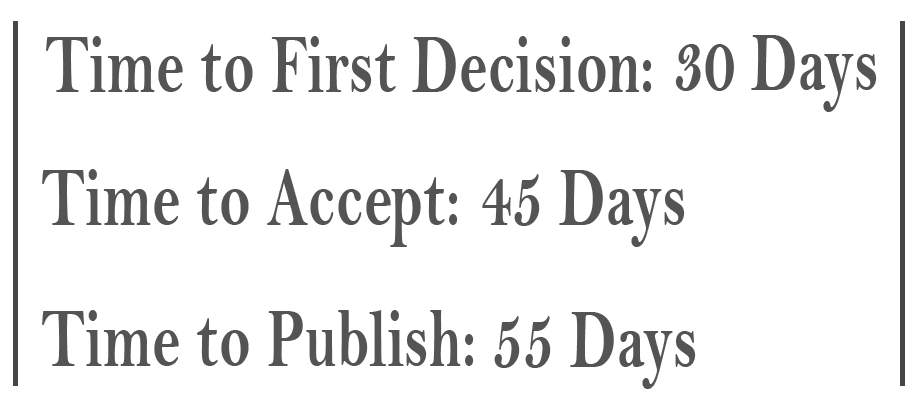
Received: 2026/01/26 | Accepted: 2026/03/13 | Published: 2026/03/31
Received: 2026/01/26 | Accepted: 2026/03/13 | Published: 2026/03/31
References
1. [1] Ostrom QT, Gittleman H, Liao P, Vecchione-Koval T, Wolinsky Y, Kruchko C, Barnholtz-Sloan JS. CBTRUS statistical report: primary brain and other central nervous system tumors diagnosed in the United States in 2010-2014. Neuro-oncology. 2017;19(suppl_5):v1-v88. [DOI:10.1093/neuonc/nox158]
2. [2] Love RR. Improving cancer outcomes in low-and middle-income countries. Journal of Global Oncology. 2019;5:JGO. 19.00297. [DOI:10.1200/JGO.19.00297]
3. [3] Barragan-Carrillo R, Asirwa FC, Dienstmann R, Pendhakar D, Ruiz-Garcia E. Global Oncology: Tackling Disparities and Promoting Innovations in Low-and Middle-Income Countries. American Society of Clinical Oncology Educational Book. 2025;45(3):e473930. [DOI:10.1200/EDBK-25-473930]
4. [4] Pinkel D. Five-year follow-up of total therapy of childhood lymphocytic leukemia. Jama. 1971;216(4):648-52. [DOI:10.1001/jama.1971.03180300032007]
5. [5] Hunger SP, Mullighan CG. Acute lymphoblastic leukemia in children. New England Journal of Medicine. 2015;373(16):1541-52. [DOI:10.1056/NEJMra1400972]
6. [6] Pinkel D, Simone J, Hustu HO, Aur RJ. NINE YEARS'EXPERIENCE WITH" TOTAL THERAPY" OF CHILDHOOD ACUTE LYMPHOCYTIC LEUKEMIA. Pediatrics. 1972;50(2):246-51. [DOI:10.1542/peds.50.2.246]
7. [7] Singh SK, Clarke ID, Hide T, Dirks PB. Cancer stem cells in nervous system tumors. Oncogene. 2004;23(43):7267-73. [DOI:10.1038/sj.onc.1207946]
8. [8] Quail DF, Joyce JA. The microenvironmental landscape of brain tumors. Cancer cell. 2017;31(3):326-41. [DOI:10.1016/j.ccell.2017.02.009]
9. [9] Gupta AK. Metronomic chemotherapy in resource-limited settings: evidence, opportunities, and future directions. Medical Oncology. 2026;43(3):153. [DOI:10.1007/s12032-026-03275-w]
10. [10] Kerbel RS, Kamen BA. The anti-angiogenic basis of metronomic chemotherapy. Nature Reviews Cancer. 2004;4(6):423-36. [DOI:10.1038/nrc1369]
11. [11] Pasquier E, Kavallaris M, André N. Metronomic chemotherapy: new rationale for new directions. Nature reviews Clinical oncology. 2010;7(8):455-65. [DOI:10.1038/nrclinonc.2010.82]
12. [12] Louis DN, Perry A, Wesseling P, Brat DJ, Cree IA, Figarella-Branger D, et al. The 2021 WHO classification of tumors of the central nervous system: a summary. Neuro-oncology. 2021;23(8):1231-51. [DOI:10.1093/neuonc/noab106]
13. [13] Ronsley R, Cole B, Ketterl T, Wright J, Ermoian R, Hoffman LM, et al. Pediatric central nervous system embryonal tumors: presentation, diagnosis, therapeutic strategies, and survivorship-a review. Pediatric Neurology. 2024;161:237-46. [DOI:10.1016/j.pediatrneurol.2024.09.031]
14. [14] McNamara C, Mankad K, Thust S, Dixon L, Limback-Stanic C, D'Arco F, et al. 2021 WHO classification of tumours of the central nervous system: a review for the neuroradiologist. Neuroradiology. 2022;64(10):1919-50. [DOI:10.1007/s00234-022-03008-6]
15. [15] Lathia JD, Mack SC, Mulkearns-Hubert EE, Valentim CL, Rich JN. Cancer stem cells in glioblastoma. Genes & development. 2015;29(12):1203-17. [DOI:10.1101/gad.261982.115]
16. [16] Batlle E, Clevers H. Cancer stem cells revisited. Nature medicine. 2017;23(10):1124-34. [DOI:10.1038/nm.4409]
17. [17] Hinshaw DC, Shevde LA. The tumor microenvironment innately modulates cancer progression. Cancer research. 2019;79(18):4557-66. [DOI:10.1158/0008-5472.CAN-18-3962]
18. [18] Quail DF, Joyce JA. Microenvironmental regulation of tumor progression and metastasis. Nature medicine. 2013;19(11):1423-37. [DOI:10.1038/nm.3394]
19. [19] Rowinski E, Fournel P, Bernichon E, Bouleftour W, Magné N, Mery B. Maintenance therapy in metastatic solid tumors: innovative strategy or Simple second-line treatment? American Journal of Clinical Oncology. 2019;42(8):615-23. [DOI:10.1097/COC.0000000000000574]
20. [20] Guilcher GM, Rivard L, Huang JT, Wright NA, Anderson L, Eissa H, et al. Immune function in childhood cancer survivors: a Children's Oncology Group review. The Lancet Child & Adolescent Health. 2021;5(4):284-94. [DOI:10.1016/S2352-4642(20)30312-6]
21. [21] Sonbol MB, Mountjoy LJ, Firwana B, Liu AJ, Almader-Douglas D, Mody K, et al. The role of maintenance strategies in metastatic colorectal cancer: a systematic review and network meta-analysis of randomized clinical trials. JAMA oncology. 2020;6(3):e194489-e. [DOI:10.1001/jamaoncol.2019.4489]
22. [22] Peinemann F, Kroeger N, Bartel C, Grouven U, Pittler M, Erttmann R, Kulig M. High-dose chemotherapy followed by autologous stem cell transplantation for metastatic rhabdomyosarcoma-a systematic review. PLoS One. 2011;6(2):e17127. [DOI:10.1371/journal.pone.0017127]
23. [23] Lan Y, Wu L, Hong Y, Sun X, Wang J, Huang J, et al. Oral vinorelbine and continuous low doses of cyclophosphamide in pediatric rhabdomyosarcoma: A real-world study. Frontiers in Pharmacology. 2023;14:1132219. [DOI:10.3389/fphar.2023.1132219]
24. [24] Fourrier T, Truntzer C, Peroz M, Derangère V, Vincent J, Bengrine-Lefèvre L, et al. Factors Influencing the Duration of Maintenance Therapy in Metastatic Colorectal Cancer. Cancers. 2024;17(1):88. [DOI:10.3390/cancers17010088]
25. [25] Potiron V, Clément-Colmou K, Jouglar E, Pietri M, Chiavassa S, Delpon G, et al. Tumor vasculature remodeling by radiation therapy increases doxorubicin distribution and efficacy. Cancer Letters. 2019;457:1-9. [DOI:10.1016/j.canlet.2019.05.005]
26. [26] Cazzaniga ME, Cordani N, Capici S, Cogliati V, Riva F, Cerrito MG. Metronomic chemotherapy. Cancers. 2021;13(9):2236. [DOI:10.3390/cancers13092236]
27. [27] Ghiringhelli F, Menard C, Puig PE, Ladoire S, Roux S, Martin F, et al. Metronomic cyclophosphamide regimen selectively depletes CD4+ CD25+ regulatory T cells and restores T and NK effector functions in end stage cancer patients. Cancer immunology, immunotherapy. 2007;56(5):641-8. [DOI:10.1007/s00262-006-0225-8]
28. [28] Muraro E, Vinante L, Fratta E, Bearz A, Höfler D, Steffan A, Baboci L. Metronomic chemotherapy: anti-tumor pathways and combination with immune checkpoint inhibitors. Cancers. 2023;15(9):2471. [DOI:10.3390/cancers15092471]
29. [29] Troitskaya OS, Novak DD, Richter VA, Koval OA. Immunogenic cell death in cancer therapy. Acta Naturae. 2022;14(1):40. [DOI:10.32607/actanaturae.11523]
30. [30] Kareva I, Waxman DJ, Klement GL. Metronomic chemotherapy: an attractive alternative to maximum tolerated dose therapy that can activate anti-tumor immunity and minimize therapeutic resistance. Cancer letters. 2015;358(2):100-6. [DOI:10.1016/j.canlet.2014.12.039]
31. [31] Valenzuela P, Oaxaca D, Di Desidero T, Parra K, Rodriguez G, Manciu M, et al. Pharmacodynamic biomarkers in metronomic chemotherapy: multiplex cytokine measurements in gastrointestinal cancer patients. Clinical and experimental medicine. 2021;21:149-59. [DOI:10.1007/s10238-020-00666-9]
32. [32] Lasham A, Knowlton N, Mehta SY, Braithwaite AW, Print CG. Breast cancer patient prognosis is determined by the interplay between TP53 mutation and alternative transcript expression: insights from TP53 long amplicon digital PCR assays. Cancers. 2021;13(7):1531. [DOI:10.3390/cancers13071531]
33. [33] Slavc I, Mayr L, Stepien N, Gojo J, Aliotti Lippolis M, Azizi AA, et al. Improved long-term survival of patients with recurrent medulloblastoma treated with a "MEMMAT-like" metronomic antiangiogenic approach. Cancers. 2022;14(20):5128. [DOI:10.3390/cancers14205128]
34. [34] Sterba J, Valik D, Mudry P, Kepak T, Pavelka Z, Bajciova V, et al. Combined biodifferentiating and antiangiogenic oral metronomic therapy is feasible and effective in relapsed solid tumors in children: single-center pilot study. Oncology Research and Treatment. 2006;29(7):308-13. [DOI:10.1159/000093474]
35. [35] Schiavetti A, Varrasso G, Maurizi P, Cappelli C, Clerico A, Properzi E, Castello MA. Ten-day schedule oral etoposide therapy in advanced childhood malignancies. Journal of pediatric hematology/oncology. 2000;22(2):119-24. [DOI:10.1097/00043426-200003000-00008]
36. [36] Ferrara N, Adamis AP. Ten years of anti-vascular endothelial growth factor therapy. Nature reviews Drug discovery. 2016;15(6):385-403. [DOI:10.1038/nrd.2015.17]
37. [37] Khosla AA, Saxena S, Ozair A, Venur VA, Peereboom DM, Ahluwalia MS. Novel therapeutic approaches in neoplastic meningitis. Cancers. 2022;15(1):119. [DOI:10.3390/cancers15010119]
38. [38] Salzer W, Widemann B, McCully C, Adamson PC, Balis FM. Effect of probenecid on ventricular cerebrospinal fluid methotrexate pharmacokinetics after intralumbar administration in nonhuman primates. Cancer chemotherapy and pharmacology. 2001;48:235-40. [DOI:10.1007/s002800100328]
39. [39] Kouzehgarani GN, Feldsien T, Engelhard HH, Mirakhur KK, Phipps C, Nimmrich V, et al. Harnessing cerebrospinal fluid circulation for drug delivery to brain tissues. Advanced Drug Delivery Reviews. 2021;173:20-59. [DOI:10.1016/j.addr.2021.03.002]
40. [40] Perkins RS, Davis A, Campagne O, Owens TS, Stewart CF. CNS penetration of methotrexate and its metabolite 7-hydroxymethotrexate in mice bearing orthotopic Group 3 medulloblastoma tumors and model-based simulations for children. Drug Metabolism and Pharmacokinetics. 2023;48:100471. [DOI:10.1016/j.dmpk.2022.100471]
41. [41] Rizk EB. Syringomyelia; an update on clinicopathological studies, diagnosis, and management. Cerebrospinal Fluid and Subarachnoid Space: Elsevier; 2023. p. 7-30. [DOI:10.1016/B978-0-12-819507-9.00006-5]
42. [42] Lassaletta A, Scheinemann K, Zelcer SM, Hukin J, Wilson BA, Jabado N, et al. Phase II weekly vinblastine for chemotherapy-naïve children with progressive low-grade glioma: a Canadian pediatric brain tumor consortium study. Journal of Clinical Oncology. 2016;34(29):3537-43. [DOI:10.1200/JCO.2016.68.1585]
43. [43] Vanan MI, Eisenstat DD. Management of high-grade gliomas in the pediatric patient: Past, present, and future. Neuro-Oncology Practice. 2014;1(4):145-57. [DOI:10.1093/nop/npu022]
44. [44] Shi R, Tang YQ, Miao H. Metabolism in tumor microenvironment: Implications for cancer immunotherapy. MedComm. 2020;1(1):47-68. [DOI:10.1002/mco2.6]
45. [45] Cazzaniga ME, Camerini A, Addeo R, Nolè F, Munzone E, Collovà E, et al. Metronomic oral vinorelbine in advanced breast cancer and non-small-cell lung cancer: current status and future development. Future oncology. 2016;12(3):373-87. [DOI:10.2217/fon.15.306]
Send email to the article author
| Rights and permissions | |
 |
This work is licensed under a Creative Commons Attribution-NonCommercial 4.0 International License. |

- Iranian Journal of Blood and Cancer
- Journal Tel: +989369936116
- Publisher Tel: +982122275917
- Mail: Info@ijbc.ir