Mon, Oct 12, 2026
[Archive]
Volume 18, Issue 1 (March-2026 2026)
Iranian Journal of Blood and Cancer 2026, 18(1): 85-101 |
Back to browse issues page



Download citation:
BibTeX | RIS | EndNote | Medlars | ProCite | Reference Manager | RefWorks
Send citation to:


BibTeX | RIS | EndNote | Medlars | ProCite | Reference Manager | RefWorks
Send citation to:
Fatima N, Raza S T, Kumar V. Gallbladder Cancer: An Overview of Epidemiology, Risk Factors, and Novel Approaches in Molecular Screening and Treatment Strategies. Iranian Journal of Blood and Cancer 2026; 18 (1) :85-101
URL: http://ijbc.ir/article-1-1796-en.html
URL: http://ijbc.ir/article-1-1796-en.html


1- Department of Biochemistry, Era’s Lucknow Medical College and Hospital, Lucknow, India.
2- Department of Biochemistry, Era’s Lucknow Medical College and Hospital, Lucknow, India. ,tasleem24@gmail.com
3- Department of Surgical Oncology, King George’s Medical University, Lucknow, India.
2- Department of Biochemistry, Era’s Lucknow Medical College and Hospital, Lucknow, India. ,
3- Department of Surgical Oncology, King George’s Medical University, Lucknow, India.
Abstract: (986 Views)
Gallbladder cancer (GBC) is an infrequent type of malignant neoplasm and ranks fifth among gastrointestinal malignancies in the world. However, GBC is prevalent in India, and population-based cancer registries’ (PBCRs) data revealed its higher incidence rate in North India. Due to the fact that the etiology of this cancer is quite complex, the majority of the cases are diagnosed at a very advanced stage owing to a lack of clinical appearance, which is non-specific. The majority of the cases come to light by coincidence at the time of histopathological examination of cholecystectomy. Several risk factors have been reported that may play an important role in the development and progression of GBC. There is a strong association between gallbladder inflammatory diseases (GIDs), including cholelithiasis (gallstones) and GBC. The presence of gallstones increases the risk of GBC more than threefold and appears to be stronger among ethnic groups that have higher rates of GBC. Surgery is the primary treatment that can cure early-stage gallbladder cancer. Apart from surgery, the use of immunotherapy, molecularly targeted medications, and new developments in radiation and chemotherapy (neoadjuvant-adjuvant gemcitabine, cisplatin, and capecitabine) has made gallbladder cancer treatment more promising in recent years, but there is still insufficient evidence to support their ability to improve patient outcomes, so more research is needed to address these issues; therefore, customized care needs to be used.
: Review Article |
Subject:
Adults Hematology & Oncology
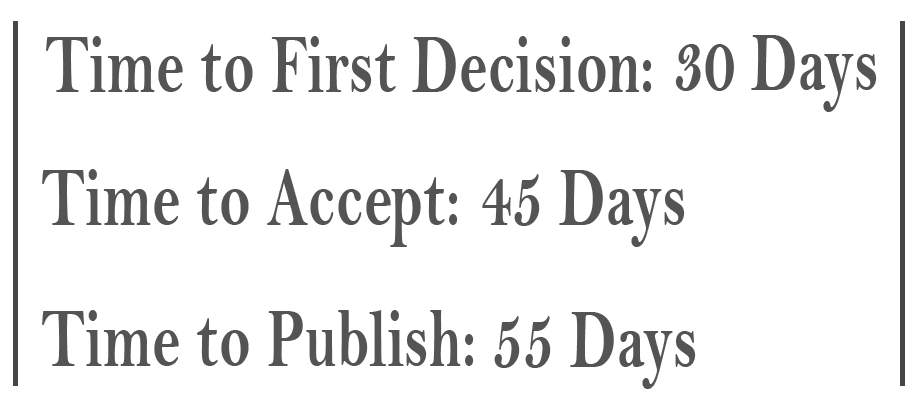
Received: 2025/12/18 | Accepted: 2026/02/14 | Published: 2026/03/31
Received: 2025/12/18 | Accepted: 2026/02/14 | Published: 2026/03/31
References
1. InformedHealth.org [Internet]. Cologne, Germany: Institute for Quality and Efficiency in Health Care (IQWiG); 2006-. In brief: How does the gallbladder work? [Updated 2021 Apr 27]. Available from: https://www.ncbi.nlm.nih.gov/books/NBK279386/
2. Prasad N, Sen S. Gall bladder carcinoma: the facts and the mimics. Egypt J Radiol Nucl Med. 2021; 52, 1. [DOI:10.1186/s43055-020-00386-w]
3. Yang Y, Tu Z, Ye C, Cai H, Yang S, Chen X, et al. Site-specific metastases of gallbladder adenocarcinoma and their prognostic value for survival: a SEER-based study. BMC Surg. 2021; 21(1):59. [DOI:10.1186/s12893-021-01068-8]
4. Sturm N, Schuhbaur JS, Hüttner F, Perkhofer L, Ettrich TJ. Gallbladder cancer: current multimodality treatment concepts and future directions. Cancer. 2022;14(22):5580. [DOI:10.3390/cancers14225580]
5. Wi Y, Woo H, Won Y-J, Jang J-Y, Shin A. Trends in gallbladder cancer incidence and survival in Korea. Cancer Res Treat. 2018;50(4):1444-51. [DOI:10.4143/crt.2017.279]
6. International Agency for Research on Cancer WHO, Data visualization tools for exploring the global cancer burden in 2018, 2018. https://gco.iarc.fr/today/home. (Accessed 10 May 2020). Accessed.
7. Mollah T, Chia M, Wang LC, Modak P, Qin KR. Epidemiological trends of gallbladder cancer in Australia between 1982 to 2018: a population-based study utilizing the Australian cancer database. Ann Hepato-Biliary-Pancreatic Surg. 2022;26(3):263-9. [DOI:10.14701/ahbps.21-169]
8. Huang J, Patel H, Boakye D, Chandrasekar T, Koulaouzidi A.Worldwide distribution, associated factors, and trends of gallbladder cancer: A global country-level analysis.Cancer Letters. 2021;521 : 238-251. [DOI:10.1016/j.canlet.2021.09.004]
9. Rawat S, Haritha VS. Carcinoma of gall bladder in Central India - Is there a shifting trend? [Internet]. IP Int J Med Paediatr Oncol. 2025 ;8(3):122-127. [DOI:10.18231/j.ijmpo.2022.028]
10. Phadke,R, Prachi, S, Budukh AM and Dikshit RP. "Trends in gallbladder cancer incidence in the high- and low-risk regions of India." Indian Journal of Medical Paediatrics Oncolog 2019; 40:90-93. [DOI:10.4103/ijmpo.ijmpo_164_18]
11. Singh S, Bhatnagar S, Lohia N, Subramananiam A, Raman D, Murthy H, et al. Epidemiological and geographical profile of gallbladder cancer patients from a Hospital-based Registry of Northern Gangetic Plains. APJEC. 2022; 5(1): 3-10. [DOI:10.31557/apjec.2022.5.1.3-10]
12. Unisa, Sayeed, Palepu Jagannath, Vinay Dhir, Chiranjeeva Khandelwal, Lalatendu Sarangi et al. Population-based study to estimate prevalence and determine risk factors of gallbladder diseases in the rural Gangetic basin of North India. International HepatoPancreato-Biliary Association. 2011; 13 (2) :117-125. [DOI:10.1111/j.1477-2574.2010.00255.x]
13. National Cancer registry programme. Consolidated report of population based cancer registries: 2012-14.
14. Dutta U, Bush N, Kalsi1 D, Popli1 P, Kapoor VK. Epidemiology of gallbladder cancer in India.Chin Clin Oncol 2019;8(4):1-20. [DOI:10.21037/cco.2019.08.03]
15. Dixit R, Srivastava P, Basu S, Srivastava P, Mishra PK, Shukla VK. Association of mustard oil as cooking media with carcinoma of the gallbladder. J Gastrointest Cancer. 2013;44(2):177-81. [DOI:10.1007/s12029-012-9458-2]
16. Madhawi R, Pandey A, Raj S, Mandal M, Devi S, Sinha PK, Singh RK. Geographical pattern of carcinoma gallbladder in Bihar and its association with river Ganges and arsenic levels: Retrospective individual consecutive patient data from Regional Cancer Centre. South Asian J Cancer. 2018;7(3):167-170. [DOI:10.4103/sajc.sajc_37_18]
17. Mhatre SS, Nagrani RT, Budukh A, Chiplunkar S, Badwe R, Patil P, Laversanne M, Rajaraman P, Bray F, Dikshit R. Place of birth and risk of gallbladder cancer in India. Indian J Cancer. 2016;53(2):304-308. [DOI:10.4103/0019-509X.197723]
18. Sharma A, Sharma KL, Gupta A, Yadav A, Kumar A. Gallbladder cancer epidemiology, pathogenesis and molecular genetics: Recent update. World J Gastroenterol. 2017;23:3978-98. [DOI:10.3748/wjg.v23.i22.3978]
19. Roskoski RJ. The ErbB/HER family of protein-tyrosine kinases and cancer. Pharmacol Res. 2014; 79:34-74 24. [DOI:10.1016/j.phrs.2013.11.002]
20. King D, Yeomanson D, Bryant HE. PI3King the Lock: Targeting the PI3K/Akt/mTOR pathway as a novel therapeutic strategy in neuroblastoma. J Pediatr Hematol Oncol. 2015; 37:245-25 [DOI:10.1097/MPH.0000000000000329]
21. Awasthi, Supriya Mtecha; Kumar, Rahul PhDa; Pradhan, Dibyabhaba PhDb; Rawal, Neetu PhDa; Goel, Harsh Mtecha; Sahu, Parameswar Genomic landscape of gallbladder cancer: insights from whole exome sequencing. International Journal of Surgery. 2024; 110(11):p 6883-6897, [DOI:10.1097/JS9.0000000000002031]
22. Yang P, Javle M, Pang F, Zhao W, Abdel-Wahab R, Chen X, et al. Somatic genetic aberrations in gallbladder cancer: Comparison between Chinese and US patients. Hepatobiliary Surg. Nutr. 2019, 8, 604-614. [DOI:10.21037/hbsn.2019.04.11]
23. Javle M, Bekaii-Saab T, Jain A, Wang Y, Kelley RK, Wang K, et al. Biliary cancer: Utility of next-generation sequencing for clinical management. Cancer 2016, 122, 3838-3847. [DOI:10.1002/cncr.30254]
24. Li M, Liu F, Zhang F, Zhou W, Jiang X, Yang Y, et al. Genomic ERBB2/ERBB3 mutations promote PD-L1-mediated immune escape in gallbladder cancer: A whole-exome sequencing analysis. Gut 2019, 68, 1024-1033. [DOI:10.1136/gutjnl-2018-316039]
25. Jiang L, Liu M, Cai X, Xie L, She F, Chen Y. Serum vascular endothelial growth factor-C levels predict lymph node metastasis and prognosis of patients with gallbladder cancer. Oncol. Lett. 2018, 16, 6065-6070. [DOI:10.3892/ol.2018.9358]
26. Xu D, Li J, Jiang F, Cai K, Ren G. The Effect and Mechanism of Vascular Endothelial Growth Factor (VEGF) on Tumor Angiogenesis in Gallbladder Carcinoma. Iran. J. Public Health 2019, 48, 713-721. [DOI:10.18502/ijph.v48i4.1005]
27. Kim Y, Bang SS, Jee S, Park S, Shin SJ, Jang K. Prevalence and Clinicopathological Significance of MET Overexpression and Gene Amplification in Patients with Gallbladder Carcinoma. Cancer Res. Treat. 2020, 52, 481-491. [DOI:10.4143/crt.2019.370]
28. Spizzo G, Puccini A, Xiu J, Goldberg RM, Grothey A, Shields AF. Molecular profile of BRCA-mutated biliary tract cancers. ESMO Open 2020, 5, e000682. [DOI:10.1136/esmoopen-2020-000682]
29. Lin J, Long J, Wan X, Chen J, Bai Y, Wang A. Y. Classification of gallbladder cancer by assessment of CD8+ TIL and PD-L1 expression. BMC Cancer 2018, 18, 1-10. [DOI:10.1186/s12885-018-4651-8]
30. Abdel-Wahab R, Yap TA, Madison R, Pant S, Cooke M, Wang K et al. Genomic profiling reveals high frequency of DNA repair genetic aberrations in gallbladder cancer. Sci. Rep. 2020, 10, 22087. [DOI:10.1038/s41598-020-77939-6]
31. Chaturvedi A, Kumar V, Gupta S. Molecular Oncology of Gall Bladder Cancer. Indian J Surg Oncol. 2021 Apr;12(Suppl 1):57-64. [DOI:10.1007/s13193-019-01008-2]
32. Cardenas-Ramos SG, Alcazar-Gonzalez G, Reyes-Cortes LM, Torres-Grimaldo AA, Calderon-Garciduenas AL, Morales-Casas J. The frequency and type of KRAS mutations in Mexican patients with colorectal cancer. Am J Clin Oncol. 2014;40(3):274-276. [DOI:10.1097/COC.0000000000000143]
33. Kawakami, S., Takano, S., Fukasawa, M. et al. Stepwise correlation of TP53 mutations from pancreaticobiliary maljunction to gallbladder carcinoma: a retrospective study. BMC Cancer. 2021; 21, 1245. [DOI:10.1186/s12885-021-09000-2]
34. Rishit M, Gupta A, Gupta S, Goyal B, Mishra R, Tandon A, et al. Expression of ER, PR, and HER-2 Neu and correlation with tumor markers in gall bladder carcinoma. Journal of Cancer Research and Therapeutics. 2023; 19(5):1279-1287. [DOI:10.4103/jcrt.jcrt_1754_21]
35. Abeer I, Walvir N, Khan S, Rasheed G, Zahir Z, Aiman A, et al.A detailed review of EGFR & HER2/NEU gene expression analysis in Gallbladder cancer . JMS 2023: 26 (1)4-16.
36. Li M, Zhang Z, Li X, Ye J, Wu X, Tan Z, Liu C, Shen B, Wang XA, Wu W, et al. Whole-exome and targeted gene sequencing of gallbladder carcinoma identifies recurrent mutations in the ErbB pathway. Nat Genet. 2014;46:872-876. [DOI:10.1038/ng.3030]
37. García P, Manterola C, Araya JC, Villaseca M, Guzmán P, Sanhueza A, Thomas M, Alvarez H, Roa JC. Promoter methylation profile in preneoplastic and neoplastic gallbladder lesions. Mol Carcinog. 2009;48:79-89. [DOI:10.1002/mc.20457]
38. Letelier P, Brebi P, Tapia O, Roa JC. DNA promoter methylation as a diagnostic and therapeutic biomarker in gallbladder cancer. Clin Epigenetics. 2012;4:11. [DOI:10.1186/1868-7083-4-11]
39. Ghosh, M.; Sakhuja, P.; Singh, S.; Agarwal, A.K. p53 and beta-catenin expression in gallbladder tissues and correlation with tumor progression in gallbladder cancer. Saudi J. Gastroenterol. 2013, 19, 34-39. [DOI:10.4103/1319-3767.105922]
40. Srivastava K, Srivastava A, Sharma KL, Mittal B. Candidate gene studies in gallbladder cancer: a systematic review and meta-analysis. Mutat Res. 2011;728:67-79. [DOI:10.1016/j.mrrev.2011.06.002]
41. Cha PC, Zembutsu H, Takahashi A, Kubo M, Kamatani N, Nakamura Y. A genome-wide association study identifies SNP in DCC is associated with gallbladder cancer in the Japanese population. J Hum Genet. 2012;57:235-237. [DOI:10.1038/jhg.2012.9]
42. Rai R, Sharma KL, Tiwari S, Misra S, Kumar A, Mittal B. DCC (deleted in colorectal carcinoma) gene variants confer increased susceptibility to gallbladder cancer (Ref. No.: Gene-D-12-01446) Gene. 2013;518:303-309. [DOI:10.1016/j.gene.2013.01.019]
43. Fatima N, Raza ST, Kumar V, Rizv S, Khan F.The Potential Role of microRNAs in the Progression and Aggressiveness of Gallbladder Cancer: Molecular Markers to Therapeutic Interventions.Iran J Blood Cancer. 2024; 16(4): 2-17. [DOI:10.61186/ijbc.16.4.69]
44. Saxena, R., Chakrapani, B., Sarath Krishnan, M.P. et al. Next generation sequencing uncovers multiple miRNAs associated molecular targets in gallbladder cancer patients. Sci Rep. 2023;13: 19101. [DOI:10.1038/s41598-023-44767-3]
45. Histopathology Roa I, Araya J. C, Villaseca M, De Aretxabala X, Riedemann P, Endoh K, and Roa J. "Preneoplastic lesions and gallbladder cancer: an estimate of the period required for progression." Gastroenterology 111, no.1 (1996):232-236. [DOI:10.1053/gast.1996.v111.pm8698204]
46. Ishtiaq H, Sarvepalli D, Zafar H, Jehanzeb S, and Ullah W. "Neuroendocrine Tumor: A Rare, Aggressive Tumor of the Gallbladder."Cureus.2019; 11: e5571.
47. Dwivedi A, Dhar N, Jain S, and Dixit R. Gall bladder carcinoma: Aggressive malignancy with protean loco-regional and distant spread. World Journal of Clinical Cases 2015; 3 (3): 231-244. [DOI:10.12998/wjcc.v3.i3.231]
48. Rana P, Kalage D, Soundararajan R, Gupta P. Update on the Role of Imaging in the Diagnosis, Staging, and Prognostication of Gallbladder Cancer. Indian J Radiol Imaging. 2024; 26;35(2):218-233. [DOI:10.1055/s-0044-1789243]
49. Kanthan, Rani, Jenna-Lynn Senger , Shahid Ahmed and Selliah Chandra Kanthan. Gallbladder Cancer in the 21st Century." Journal of Oncology. 2015; 2 (1): 1-26. [DOI:10.1155/2015/967472]
50. Rakić M, Patrlj L, Kopljar M, Kliček R, Kolovrat M, Loncar B. Gallbladder cancer. Hepatobiliary surgery and nutrition, 2014; 3(5): 221.
51. Mishra K, Behari A, Shukla P, Tsuchiya Y, Endoh K, Asai T, et al. Risk factors for gallbladder cancer development in northern India: A gallstones-matched, case-control study. Indian J Med Res. 2021;154(5):699-706. [DOI:10.4103/ijmr.IJMR_201_19]
52. Schmidt MA, Bonilla LM, and Roberts LR. Gallbladder cancer: epidemiology and genetic risk associations.Chin Clin Oncol 2019;8(4): 1-14. [DOI:10.21037/cco.2019.08.13]
53. Das A. Epidemiology of Gallbladder Cancer among North-Eastern States of India: A Review. International Research Journal of Medical Sciences. 2016; 4(6):11-15.
54. Hundal R, and Shaffer EA. Gallbladder cancer: epidemiology and outcome. Clinical Epidemiology. 2014; 6(2): 99-109. [DOI:10.2147/CLEP.S37357]
55. Behari, Anu, and V. K. Kapoor. "Asymptomatic Gallstones (AsGS) - To Treat or Not to?."Indian Journal of Surgery 74, no.1 (2012): 4-12. [DOI:10.1007/s12262-011-0376-5]
56. Lee BJH, Yap QV, Low JK, Chan YH, Shelat VG. Cholecystectomy for asymptomatic gallstones: Markov decision tree analysis. World J Clin Cases. 2022; 16;10(29):10399-10412. [DOI:10.12998/wjcc.v10.i29.10399]
57. Alshahri TM, Abounozha S. Best evidence topic: Does the presence of a large gallstone carry a higher risk of gallbladder cancer? Ann Med Surg (Lond). 2021; 61:93-96. [DOI:10.1016/j.amsu.2020.12.023]
58. Singh A, Singh G, Kaur K, Goyal G, Saini G, and Sharma D. Histopathological Changes in Gallbladder Mucosa Associated with Cholelithiasis: A Prospective Study. Nigerian Journal of Surgery. 2019; 25(1): 21-25.
https://doi.org/10.4103/njs.NJS_15_18 [DOI:10.4103/1117-6806.172222]
59. Ashur H, Siegal B, Oland Y, Adam TG. Calcified gallbladder (porcelain gallbladder) Arch Surgery. 1113, no.5 (1978):594-596. [DOI:10.1001/archsurg.1978.01370170056010]
60. Kim H, Jung YE, Jee HB, Hyo WE, Kim Y, Han J, and Choi BL. High-Resolution Sonography for Distinguishing Neoplastic Gallbladder Polyps and Staging Gallbladder Cancer." Gastrointestinal Imaging. 2015; 204(5):W150-W159. [DOI:10.2214/AJR.13.11992]
61. Sugita R. Pancreaticobiliary reflux as a high-risk factor for biliary malignancy: Clinical features and diagnostic advancements. World Journal of Hepatology. 2015; 7(13): 1735-1741. [DOI:10.4254/wjh.v7.i13.1735]
62. Hassan E, Shawkat SG, Kamal EL, Bassyoun E. The role of H. Pylori infection in gall bladder cancer: clinicopathological study. Tumour Biology. 2015; 36(9):7093-7098. [DOI:10.1007/s13277-015-3444-9]
63. Fatima N , Raza ST, Kumar V and Rizvi S. Helicobacter pylori associated gallbladder diseases and their progression to gallbladder cancer: A review.J. Microbiol. Infect. Dis., 2024, 14(4): 165-169. [DOI:10.5455/JMID.20240910060554]
64. Lim KPK, Lee AJL, Jiang X, Teng TZJ, Shelat VG. The link between Helicobacter pylori infection and gallbladder and biliary tract diseases: A review. Ann Hepatobiliary Pancreat Surg. 2023 ;27(3):241-250. [DOI:10.14701/ahbps.22-056]
65. Fatima N, Raza ST, Singh M, Rizvi S, Kumar V. Prognostic significance of miR 499 expression and Helicobacter pylori infection in malignant lesions of gallbladder cancer: a clinicopathological study. Egypt J Med Hum Genet. 2024; 25: 96. [DOI:10.1186/s43042-024-00569-4]
66. Bonatti F, Norberto V, Lombardo F, Ferro F, Zamboni G, Tauber M, et al. Gallbladder adenomyomatosis: imaging findings, tricks and pitfall. Insights Imagings. 2017; 8(2): 243-253. [DOI:10.1007/s13244-017-0544-7]
67. Catania R, Dasyam AK, Miller FH, Borhani AA. Noninvasive Imaging Prior to Biliary Interventions. Semin Intervent Radiol. 2021; 38(3):263-272. [DOI:10.1055/s-0041-1731268]
68. Bisht N, Lohia N, Singh S, Sarin A, Mahato A, Paliwal D, et al. Utility of 18-Flurodeoxyglucose Positron Emission Tomography-Computed Tomography ( 18 FDG PET-CT) in Gallbladder Cancer: Experience from a Tertiary Care Hospital. World J Nucl Med. 2023; 22(4):276-283. [DOI:10.1055/s-0043-1777699]
69. Matsuyama R, Matsuo K, Mori R, Sugita M, Yamaguchi N, Kubota T, et al. Incidental Gallbladder Cancer on Cholecystectomy: Strategy for Re-resection of Presumed Benign Diseases from a Retrospective Multicenter Study by the Yokohama Clinical Oncology Group. In Vivo. 202;35(2):1217-1225. [DOI:10.21873/invivo.12372]
70. Hakeem AR, Papoulas M, and Menon KV.The role of neoadjuvant chemotherapy or chemoradiotherapy for advanced gallbladder cancer - A systematic review.European Journal of Surgical Oncology. 2019; 45(2): 83-91 [DOI:10.1016/j.ejso.2018.08.020]
71. Kim M, Vengatesan K, Aploks K, Thompson K, Dong X, Seshadri R. National Cancer Database analysis of gallbladder cancer: Evaluating survival benefit of chemotherapy in early-stage gallbladder cancer. World J Gastrointest Surg 2025; 17(5): 103653. [DOI:10.4240/wjgs.v17.i5.103653]
72. Naveed S, Qari H, Thau CM, Burasakarn P, Mir AW. Neoadjuvant Chemotherapy for Advanced Gallbladder Cancer: Do We have Enough Evidence? A Systematic Review. Euroasian J Hepatogastroenterol. 2021;11(2):87-94. [DOI:10.5005/jp-journals-10018-1348]
73. Chaudhari VA, Ostwal V, Patkar S, et al. Outcome of neoadjuvant chemotherapy in "locally advanced/borderline resectable" gallbladder cancer: the need to define indications. HPB (Oxford) 2018;20(9):841-847. [DOI:10.1016/j.hpb.2018.03.008]
74. Morizane, Chigusa, Takuji Okusaka, Junki Mizusawa, Hiroshi Katayama, Makoto Ueno, Masafumi Ikeda et al. "Randomized phase III study of gemcitabine plus S-1 combination therapy versus gemcitabine plus cisplatin combination therapy in advanced biliary tract cancer: A Japan Clinical Oncology Group study (JCOG1113, FUGA-BT)." Journal of Clinical Oncology; 2018; 36(4):205-208 [DOI:10.1200/JCO.2018.36.4_suppl.205]
75. Horgan AM, Amir E, Walter T, et al. Adjuvant therapy in the treatment of biliary tract cancer: a systematic review and meta-analysis. J Clin Oncol 2012;30:1934-40.
https://doi.org/10.1200/jco.2012.30.15_suppl.e14592 [DOI:10.1200/JCO.2011.40.5381]
76. Ma N, Cheng H, Qin B, et al. Adjuvant therapy in the treatment of gallbladder cancer: a meta-analysis. BMC Cancer 2015;15:615. [DOI:10.1186/s12885-015-1617-y]
77. Sharma A, Pathy S, Kumar S, Pal S, Kumar A, Dash NR,et al.Adjuvant chemotherapy or chemo-radiation in gallbladder cancer: A phase III randomized controlled study (ACCELERATE trial).. JCO 2025; 43, 519-519.. [DOI:10.1200/JCO.2025.43.4_suppl.519]
78. Wang SJ, Lemieux A, Kalpathy-Cramer J, et al. Nomogram for predicting the benefit of adjuvant chemoradiotherapy for resected gallbladder cancer. J Clin Oncol 2011;29:4627-32. [Crossref] [PubMed] [DOI:10.1200/JCO.2010.33.8020]
79. Mantripragada KC, Hamid F, Shafqat H, et al. Adjuvant Therapy for Resected Gallbladder Cancer: Analysis of the National Cancer Data Base. J Natl Cancer Inst 2017.109. [DOI:10.1093/jnci/djw202]
80. Shroff RT, Kennedy EB, Bachini M, et al. Adjuvant Therapy for Resected Biliary Tract Cancer: ASCO Clinical Practice Guideline. J Clin Oncol 2019;37:1015-27. [DOI:10.1200/JCO.18.02178]
81. Bang Y, Doi T, Braud F, et al. Safety and efficacy of pembrolizumab (MK-3475) in patients (pts) with advanced biliary tract cancer: Interim results of KEYNOTE-028. Eur J Cancer 2015.S11. [DOI:10.1016/S0959-8049(16)30326-4]
82. Luo, D., Liu, Y., Lu, Z. et al. Targeted therapy and immunotherapy for gastric cancer: rational strategies, novel advancements, challenges, and future perspectives. Mol Med; 2025; 31, 52. [DOI:10.1186/s10020-025-01075-y]
83. Bridgewater JA, Goodman KA, Kalyan A, et al. Biliary Tract Cancer: Epidemiology, Radiotherapy, and Molecular Profiling. Am Soc Clin Oncol Educ Book. 2016;35:e194-203. [ [DOI:10.1200/EDBK_160831]
84. Jakubowski CD, Azad NS. Immune checkpoint inhibitor therapy in biliary tract cancer (cholangiocarcinoma) Chin. Clin. Oncol. 2020;9:2. [DOI:10.21037/cco.2019.12.10]
85. Weinberg BA, et al. Molecular profiling of biliary cancers reveals distinct molecular alterations and potential therapeutic targets. J. Gastrointest. Oncol. 2019;10:652-662. [DOI:10.21037/jgo.2018.08.18]
86. Yu Z, Quiroz E, Shen Y, Jaiyesimi IA. Pathological complete response induced by neoadjuvant treatment using BRAF and MEK inhibitors in a patient with unresectable BRAF V600E-mutant malignant melanoma of the gallbladder. OncoTargets Ther. 2018;11:8723-8728. [DOI:10.2147/OTT.S177111]
87. Tirca L, Savin C, Stroescu C, Balescu I, Petrea S, Diaconu C. et al. Risk Factors and Prognostic Factors in GBC. J. Clin. Med. 2024, 13, 4201. [DOI:10.3390/jcm13144201]
88. Choudhary, Sunil, and Anupam Kumar Asthana. "Impact of Adjuvant Therapy on Survival in Curatively Resected Gallbladder Carcinoma."Journal of Clinical Diagnostic Research; 2015; 9(90: XC01-XC04. [DOI:10.7860/JCDR/2015/15113.6436]
89. Kim WJ, Lim TW, Park PJ, Choi SB, Kim WB. Clinicopathological Differences in T2 Gallbladder Cancer According to Tumor Location. Cancer Control. 2020 27(1):1073274820915514. [DOI:10.1177/1073274820915514]
90. Jin L, Cai Q, Wang S, Wang S, Mondal T, Wang J, Quan Z. Long noncoding RNA MEG3 regulates LATS2 by promoting the ubiquitination of EZH2 and inhibits proliferation and invasion in gallbladder cancer. Cell Death Dis. 2018; 9(10):1017. [DOI:10.1038/s41419-018-1064-1]
91. Liu L, Yan Y, Zhang G, Chen C, Shen W, Xing P. Knockdown of LINC01694 inhibits growth of gallbladder cancer cells via miR-340-5p/Sox4. Biosci Rep. 2020; 40(4):BSR20194444. [DOI:10.1042/BSR20194444]
92. Wu XS, Wang F, Li HF, Hu YP, Jiang L, Zhang F, et al. LncRNA-PAGBC acts as a microRNA sponge and promotes gallbladder tumorigenesis. EMBO Rep. 2017;18(10):1837-1853. [DOI:10.15252/embr.201744147]
93. Chen J, Yu Y, Li H, Hu Q, Chen X, He Y, et al. Long non-coding RNA PVT1 promotes tumor progression by regulating the miR-143/HK2 axis in gallbladder cancer. Mol Cancer. 2019; 18(1):33. [DOI:10.1186/s12943-019-0947-9]
94. García P, Rosa L, Vargas S, Weber H, Espinoza JA, Suárez F, R et al. Hippo-YAP1 Is a Prognosis Marker and Potentially Targetable Pathway in Advanced Gallbladder Cancer. Cancers. 2020; 12(4):778. [DOI:10.3390/cancers12040778]
95. Rawal N, Hariprasad G, Bandyopadhyay S, Ranjan Dash N, Kumar S, Das P, Dey S, Ahmad Khan M, Ranjan A, Chopra A, Saluja S, Hussain S, et al. Molecular biomarkers involved in the progression of gallbladder inflammatory lesions to invasive cancer: A proteomic approach. Biomol Biomed. 2024 ; 11;25(1):115-143. [DOI:10.17305/bb.2024.10704]
96. Wang J, Liu J, Chang Q, Yang B, Li S, Gu C. The association between preoperative serum interleukin-6 levels and postoperative prognosis in patients with T2 gallbladder cancer. J. Surg. Oncol. 2018;117:1672-1678. [DOI:10.1002/jso.25085]
97. Neyaz A, Husain N, Gupta S, Kumari S, Arora A, Awasthi NP, Malhotra KP, Misra S. Investigation of targetable predictive and prognostic markers in gallbladder carcinoma. J Gastrointest Oncol. 2018 ;9(1):111-125. [DOI:10.21037/jgo.2017.10.02]
98. Xu M, Deng C, Man Z, Zhu H. TRIM47 is a prognostic biomarker for gallbladder cancer and promotes tumor progression through regulating K63-linked ubiquitination of PARP1.Translational Oncology. 2025;51: 102164. [DOI:10.1016/j.tranon.2024.102164]
99. Fatma H, Akhtar M, Ali S, and Ahmad M. BMI-1 expression as a marker for gallbladder cancer progression. Journal of Medicine, Surgery, and Public Health. 2023;1: 100002. [DOI:10.1016/j.glmedi.2023.100002]
100. Mishra S, Kumari S, Srivastava P, Pandey A, Shukla S, Husain N. Genomic profiling of gallbladder carcinoma: Targetable mutations and pathways involved. Pathol Res Pract. 2022; 232:153806. [DOI:10.1016/j.prp.2022.153806]
101. Albrecht, T.; Brinkmann, F.; Albrecht, M.; Lonsdorf, A.S.; Mehrabi, A.; Hoffmann, K.; Kulu, Y.; Charbel, A.; Vogel, M.N.; Rupp, C.; et al. Programmed Death Ligand-1 (PD-L1) Is an Independent Negative Prognosticator in Western-World Gallbladder Cancer. Cancers 2021, 13, 1682. [DOI:10.3390/cancers13071682]
102. Zhang B, Cui H, Sun Y, et al.: Up-regulation of miR-204 inhibits proliferation, invasion and apoptosis of gallbladder cancer cells by targeting Notch2. Aging (Albany NY). 2021, 13:2941-58. 10.18632 [DOI:10.18632/aging.202444]
103. Lu K, Feng F, Yang Y, et al.: High-throughput screening identified miR-7-2-3p and miR-29c-3p as metastasis suppressors in gallbladder carcinoma. J Gastroenterol. 2020, 55:51-66. [DOI:10.1007/s00535-019-01627-0]
104. Yang L, Huang S, Ma H, Wu X, Feng F: MicroRNA-125b predicts clinical outcome and suppressed tumor proliferation and migration in human gallbladder cancer. Tumour Biol. 2017, 39:1010428317692249. [DOI:10.1177/1010428317692249]
105. Chen J, Yu Y, Chen X, et al.: MiR-139-5p is associated with poor prognosis and regulates glycolysis by repressing PKM2 in gallbladder carcinoma. Cell Prolif. 2018, 51:e12510. [DOI:10.1111/cpr.12510]
106. Yang G, Lu Z, Meng F, Wan Y, Zhang L, Xu Q, Wang Z: Circulating miR-141 as a potential biomarker for diagnosis, prognosis and therapeutic targets in gallbladder cancer. Sci Rep. 2022, 12:10072. [DOI:10.1038/s41598-022-13430-8]
107. Lin R, Zhan M, Yang L, et al.Deoxycholic acid modulates the progression of gallbladder cancer through N6methyladenosine-dependent microRNA maturation. Oncogene. 2020, 25:4983-5000. [DOI:10.1038/s41388-020-1349-6]
108. Zhou N, Cheng W, Peng C, Liu Y, Jiang B: Decreased expression of hsa‑miR‑372 predicts poor prognosis in patients with gallbladder cancer by affecting chloride intracellular channel 1. Mol Med Rep. 2017, 16:784854. 1 [DOI:10.3892/mmr.2017.7520]
109. Shu YJ, Bao RF, Jiang L, et al.: MicroRNA-29c-5p suppresses gallbladder carcinoma progression by directly targeting CPEB4 and inhibiting the MAPK pathway. Cell Death Differ. 2017, 24:445-57. [DOI:10.1038/cdd.2016.146]
110. Wang H, Zhan M, Xu SW, et al.: miR-218-5p restores sensitivity to gemcitabine through PRKCE/MDR1 axis in gallbladder cancer. Cell Death Dis. 2017, 8:e2770. [DOI:10.1038/cddis.2017.178]
111. Fatima N, Srivastava AN, Nigam J, Raza ST, Rizvi S, Siddiqui Z, Kumar V: Low expression of microRNA3355p is associated with malignant behavior of gallbladder cancer: a clinicopathological study. Asian Pac J Cancer Prev. 2019, 20:1895-900. [DOI:10.31557/APJCP.2019.20.6.1895]
112. Fatima N, Srivastava AN, Jaya N, Tandon N, Ahmad R, Kumar V. Clinicopathological correlation of cancer stem cell markers Oct-4 and CD133 expression as prognostic factor in malignant lesions of gallbladder: An immunohistochemical study. Indian Journal of Pathology and Microbiology 2019; 62(3):p 384-390. [DOI:10.4103/IJPM.IJPM_134_19]
Send email to the article author
| Rights and permissions | |
 |
This work is licensed under a Creative Commons Attribution-NonCommercial 4.0 International License. |

- Iranian Journal of Blood and Cancer
- Journal Tel: +989369936116
- Publisher Tel: +982122275917
- Mail: Info@ijbc.ir