Tue, Jul 14, 2026
[Archive]
Volume 17, Issue 4 (December-2025 2025)
Iranian Journal of Blood and Cancer 2025, 17(4): 36-64 |
Back to browse issues page



Download citation:
BibTeX | RIS | EndNote | Medlars | ProCite | Reference Manager | RefWorks
Send citation to:


BibTeX | RIS | EndNote | Medlars | ProCite | Reference Manager | RefWorks
Send citation to:
Rizvi B Z, Nag R, Raza S T, Srivastava S, Eba A, Rizvi S, et al . Gene Expression Profiling in Patients with CML Experiencing Loss of Treatment Response. Iranian Journal of Blood and Cancer 2025; 17 (4) :36-64
URL: http://ijbc.ir/article-1-1788-en.html
URL: http://ijbc.ir/article-1-1788-en.html
Butool Zahra Rizvi1 
 , Riya Nag2 , Syed Tasleem Raza *3 , Sanchita Srivastava4 , Ale Eba4 , Saliha Rizvi4 , Naseem Fatima4 , Farheen Khan4
, Riya Nag2 , Syed Tasleem Raza *3 , Sanchita Srivastava4 , Ale Eba4 , Saliha Rizvi4 , Naseem Fatima4 , Farheen Khan4
1- Department of Biotechnology Khwaja Moinuddin Chishti Language University Lucknow, India.
2- Department of Biochemistry, Eras Lucknow Medical College and Hospital, Era University, Lucknow 226003, Uttar Pradesh, India.
3- Department of Biochemistry, Eras Lucknow Medical College and Hospital, Era University, Lucknow 226003, Uttar Pradesh, India. ,tasleem24@gmail.com
4- Department of Biotechnology, Era’s Lucknow Medical College and Hospital Lucknow, India.
2- Department of Biochemistry, Eras Lucknow Medical College and Hospital, Era University, Lucknow 226003, Uttar Pradesh, India.
3- Department of Biochemistry, Eras Lucknow Medical College and Hospital, Era University, Lucknow 226003, Uttar Pradesh, India. ,
4- Department of Biotechnology, Era’s Lucknow Medical College and Hospital Lucknow, India.
Abstract: (727 Views)
Chronic Myeloid Leukemia (CML) is a hematological malignancy characterized by the presence of the BCR-ABL1 fusion gene, which leads to uncontrolled proliferation of leukemic cells. Despite the effectiveness of Tyrosine Kinase Inhibitors (TKIs) such as imatinib, dasatinib, and nilotinib in controlling CML, treatment resistance remains a major clinical challenge. The mechanisms contributing to resistance include BCR-ABL1 mutations, epigenetic modifications, and dysregulated microRNA (miRNA) expression. Gene expression profiling serves as a crucial tool for understanding disease progression, identifying novel therapeutic targets, and predicting treatment responses. This study explores the molecular basis of TKI resistance in CML through differential gene expression analysis, highlighting key biomarkers such as STAT5, BCL2L1 (Bcl-XL), MCL1, miR-150, and MYC. Additionally, we discuss emerging treatment strategies, including next-generation TKIs (asciminib, olverembatinib), non-BCR-ABL targeted therapies (mTOR inhibitors, JAK2 inhibitors, and HDAC inhibitors), and innovative approaches such as oncolytic viruses, exosome-based therapies, and CRISPR gene editing. Understanding the genetic and molecular landscape of CML can help optimize treatment strategies, improve early resistance detection, and advance personalized medicine for CML patients.
Keywords: Chronic Myeloid Leukemia (CML), BCR-ABL1, Tyrosine Kinase Inhibitors (TKIs), Drug Resistance, Gene Expression Profiling, Epigenetics, Personalized Medicine, Targeted Therapy.
: Review Article |
Subject:
Infectious Diseases
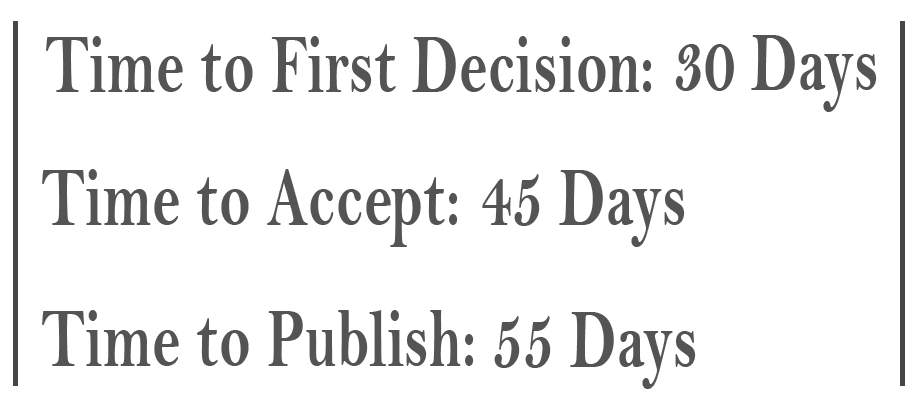
Received: 2025/10/11 | Accepted: 2025/12/12 | Published: 2025/12/30
Received: 2025/10/11 | Accepted: 2025/12/12 | Published: 2025/12/30
References
1. .Bruno Calabretta, Danilo Perrotti; The biology of CML blast crisis. Blood 2004; 103 (11): 4010-4022. doi: [DOI:10.1182/blood-2003-12-4111]
2. Ben-Neriah Y, Daley GQ, Mes-Masson AM, Witte ON, Baltimore D. The chronic myelogenous leukemia-specific P210 protein is the product of the bcr/abl hybrid gene. Science. 1986 Jul 11;233(4760):212-4. [DOI:10.1126/science.3460176]
3. .Savage DG, Szydlo RM, Goldman JM. Clinical features at diagnosis in 430 patients with chronic myeloid leukaemia seen at a referral centre over a 16‐year period. British journal of haematology. 1997 Jan;96(1):111-6. [DOI:10.1046/j.1365-2141.1997.d01-1982.x]
4. Spiers AS. The clinical features of chronic granulocytic leukaemia. Clinics in haematology. 1977 Feb 1;6(1):77-95. [DOI:10.1016/S0308-2261(21)00550-6]
5. Bowden A, Rasnick D, Heng HH, Horne S, Abdallah B, Liu G, Ye CJ, Bloomfield M, Vincent MD, Aldaz CM, Karlsson J. Abstracts from the 3rd Conference on Aneuploidy and Cancer: Clinical and Experimental Aspects. Molecular Cytogenetics. 2017;10(21):1-8.
6. Gorre ME, Mohammed M, Ellwood K, Hsu N, Paquette R, Rao PN, Sawyers CL. Clinical resistance to STI-571 cancer therapy caused by BCR-ABL gene mutation or amplification. Science. 2001 Aug 3;293(5531):876-80. [DOI:10.1126/science.1062538]
7. Schmidt S, Wolf D. Role of gene-expression profiling in chronic myeloid leukemia. Expert review of hematology. 2009 Feb 1;2(1):93-103. [DOI:10.1586/17474086.2.1.93]
8. Druker BJ, Tamura S, Buchdunger E, Ohno S, Segal GM, Fanning S, Zimmermann J, Lydon NB. Effects of a selective inhibitor of the Abl tyrosine kinase on the growth of Bcr-Abl positive cells. Nature medicine. 1996 May 1;2(5):561-6. [DOI:10.1038/nm0596-561]
9. Issaad C, Ahmed M, Novault S, et al. Biological effects induced by variable levels of BCR-ABL protein in the pluripotent hematopoietic cell line UT-7. Leukemia. 2000;14:662-70. [DOI:10.1038/sj.leu.2401730]
10. le Coutre P, Tassi E, Varella-Garcia M, Barni R, Mologni L, Cabrita G, Marchesi E, Supino R, Gambacorti-Passerini C. Induction of resistance to the Abelson inhibitor STI571 in human leukemic cells through gene amplification. Blood, The Journal of the American Society of Hematology. 2000 Mar 1;95(5):1758-66. [DOI:10.1182/blood.V95.5.1758.005a41_1758_1766]
11. Mahon FX, Deininger MW, Schultheis B, Chabrol J, Reiffers J, Goldman JM, Melo JV. Selection and characterization of BCR-ABL positive cell lines with differential sensitivity to the tyrosine kinase inhibitor STI571: diverse mechanisms of resistance. Blood, The Journal of the American Society of Hematology. 2000 Aug 1;96(3):1070-9. [DOI:10.1182/blood.V96.3.1070]
12. Weisberg E, Griffin JD. Mechanisms of resistance imatinib (STI571) in preclinical models and in leukemia patients. Drug Resistance Updates. 2001 Feb 1;4(1):22-8. [DOI:10.1054/drup.2001.0180]
13. Keeshan K, Mills KI, Cotter TG, McKenna SL. Elevated Bcr-Abl expression levels are sufficient for a haematopoietic cell line to acquire a drug-resistant phenotype. Leukemia. 2001;15:1823-33. [DOI:10.1038/sj.leu.2402309]
14. Barnes DJ, Palaiologou D, Panousopoulou E, Schultheis B, Yong AS, Wong A, Pattacini L, Goldman JM, Melo JV. Bcr-Abl expression levels determine the rate of development of resistance to imatinib mesylate in chronic myeloid leukemia. Cancer research. 2005 Oct 1;65(19):8912-9. [DOI:10.1158/0008-5472.CAN-05-0076]
15. Modi H, McDonald T, Chu S, Yee JK, Forman SJ, Bhatia R. Role of BCR/ABL gene-expression levels in determining the phenotype and imatinib sensitivity of transformed human hematopoietic cells. Blood, The Journal of the American Society of Hematology. 2007 Jun 15;109(12):5411-21.. [DOI:10.1182/blood-2006-06-032490]
16. Gesbert F, Griffin JD. Bcr/Abl activates transcription of the Bcl-X gene through STAT5. Blood, The Journal of the American Society of Hematology. 2000 Sep 15;96(6):2269-76. [DOI:10.1182/blood.V96.6.2269.h8002269_2269_2276]
17. Aichberger KJ, Mayerhofer M, Krauth MT, Skvara H, Florian S, Sonneck K, Akgul C, Derdak S, Pickl WF, Wacheck V, Selzer E. Identification of mcl-1 as a BCR/ABL-dependent target in chronic myeloid leukemia (CML): evidence for cooperative antileukemic effects of imatinib and mcl-1 antisense oligonucleotides. Blood. 2005 Apr 15;105(8):3303-11. [DOI:10.1182/blood-2004-02-0749]
18. Affer M, Dao S, Liu C, Olshen AB, Mo Q, Viale A, Lambek CL, Marr TG, Clarkson BD. Gene expression differences between enriched normal and chronic myelogenous leukemia quiescent stem/progenitor cells and correlations with biological abnormalities. Journal of oncology. 2011;2011(1):798592. [DOI:10.1155/2011/798592]
19. Čokić VP, Mojsilović S, Jauković A, et al. Gene expression profile of circulating CD34(+) cells and granulocytes in chronic myeloid leukemia. Blood Cells Mol Dis. 2015;55:373-81. [DOI:10.1016/j.bcmd.2015.08.002]
20. de Cássia Viu Carrara R, Fontes AM, Abraham KJ, Orellana MD, Haddad SK, Palma PV, Panepucci RA, Zago MA, Covas DT. Expression differences of genes in the PI3K/AKT, WNT/b-catenin, SHH, NOTCH and MAPK signaling pathways in CD34+ hematopoietic cells obtained from chronic phase patients with chronic myeloid leukemia and from healthy controls. Clinical and Translational Oncology. 2018 Apr;20:542-9. [DOI:10.1007/s12094-017-1751-x]
21. Brehme M, Koschmieder S, Montazeri M, Copland M, Oehler VG, Radich JP, Brümmendorf TH, Schuppert A. Combined population dynamics and entropy modelling supports patient stratification in chronic myeloid leukemia. Scientific Reports. 2016 Apr 6;6(1):24057. [DOI:10.1038/srep24057]
22. Gleevec (Imatinib Mesylate) FDA US. Available at: https://www.accessdata.fda.gov/drugsatfda_docs/label/2008/021588s024lbl.pdf
23. Quintás-Cardama A, Cortes J. Molecular biology of bcr-abl1-positive chronic myeloid leukemia. Blood, The Journal of the American Society of Hematology. 2009 Feb 19;113(8):1619-30. [DOI:10.1182/blood-2008-03-144790]
24. Klemm L, Duy C, Iacobucci I, Kuchen S, von Levetzow G, Feldhahn N, Henke N, Li Z, Hoffmann TK, Kim YM, Hofmann WK. The B cell mutator AID promotes B lymphoid blast crisis and drug resistance in chronic myeloid leukemia. Cancer cell. 2009 Sep 8;16(3):232-45. [DOI:10.1016/j.ccr.2009.07.030]
25. Hughes TP, Saglio G, Kantarjian HM, Guilhot F, Niederwieser D, Rosti G, Nakaseko C, De Souza CA, Kalaycio ME, Meier S, Fan X. Early molecular response predicts outcomes in patients with chronic myeloid leukemia in chronic phase treated with frontline nilotinib or imatinib. Blood, The Journal of the American Society of Hematology. 2014 Feb 27;123(9):1353-60. [DOI:10.1182/blood-2013-06-510396]
26. Elias MH, Baba AA, Husin A, Sulong S, Hassan R, Sim GA, Abdul Wahid SF, Ankathil R. HOXA4 gene promoter hypermethylation as an epigenetic mechanism mediating resistance to imatinib mesylate in chronic myeloid leukemia patients. BioMed research international. 2013;2013(1):129715. [DOI:10.1155/2013/129715]
27. Machova Polakova K, Koblihova J, Stopka T. Role of epigenetics in chronic myeloid leukemia. Current hematologic malignancy reports. 2013 Mar;8:28-36. [DOI:10.1007/s11899-012-0152-z]
28. Srutova K, Curik N, Burda P, Savvulidi F, Silvestri G, Trotta R, Klamova H, Pecherkova P, Sovova Z, Koblihova J, Stopka T. BCR-ABL1 mediated miR-150 downregulation through MYC contributed to myeloid differentiation block and drug resistance in chronic myeloid leukemia. Haematologica. 2018 Jul 26;103(12):2016. [DOI:10.3324/haematol.2018.193086]
29. Di Stefano C, Mirone G, Perna S, Marfe G. The roles of microRNAs in the pathogenesis and drug resistance of chronic myelogenous leukemia. Oncology reports. 2016 Feb 1;35(2):614-24. [DOI:10.3892/or.2015.4456]
30. Chakraborty C, Sharma AR, Patra BC, Bhattacharya M, Sharma G, Lee SS. MicroRNAs mediated regulation of MAPK signaling pathways in chronic myeloid leukemia. Oncotarget. 2016 Mar 8;7(27):42683. [DOI:10.18632/oncotarget.7977]
31. Bartel DP. MicroRNAs: genomics, biogenesis, mechanism, and function. Cell. 2004;116(2):281-97. [DOI:10.1016/S0092-8674(04)00045-5]
32. Alves R, Gonçalves AC, Jorge J, et al. MicroRNA signature refines response prediction in chronic myeloid leukemia. Oncotarget. 2019;10(32):3088-100.
33. Oehler VG, Yeung KY, Choi YE, Bumgarner RE, Raftery AE, Radich JP. The derivation of diagnostic markers of chronic myeloid leukemia progression from microarray data. Blood, The Journal of the American Society of Hematology. 2009 Oct 8;114(15):3292-8. [DOI:10.1182/blood-2009-03-212969]
34. Krishnan V, Kim DDH, Hughes TP, Branford S, Ong ST. Integrating genetic and epigenetic factors in chronic myeloid leukemia risk assessment: toward gene expression-based biomarkers. Haematologica. 2022 Feb 1;107(2):358-370. doi: 10.3324/haematol.2021.279317. PMID: 34615339; PMCID: PMC8804571 [DOI:10.3324/haematol.2021.279317]
35. Cross NC, Ernst T, Branford S, Cayuela JM, Deininger M, Fabarius A, Kim DD, Machova Polakova K, Radich JP, Hehlmann R, Hochhaus A. European LeukemiaNet laboratory recommendations for the diagnosis and management of chronic myeloid leukemia. Leukemia. 2023 Nov;37(11):2150-67. [DOI:10.1038/s41375-023-02048-y]
36. Abdulmawjood B, Costa B, Roma-Rodrigues C, Baptista PV, Fernandes AR. Genetic Biomarkers in Chronic Myeloid Leukemia: What Have We Learned So Far? Int J Mol Sci. 2021 Nov 19;22(22):12516. doi: 10.3390/ijms222212516. PMID: 34830398; PMCID: PMC8626020. [DOI:10.3390/ijms222212516]
37. Adnan-Awad S, Kankainen M, Mustjoki S. Mutational landscape of chronic myeloid leukemia: more than a single oncogene leukemia. Leukemia & lymphoma. 2021 Jul 29;62(9):2064-78. [DOI:10.1080/10428194.2021.1894652]
38. Radich JP, Dai H, Mao M, Oehler V, Schelter J, Druker B, Sawyers C, Shah N, Stock W, Willman CL, Friend S. Gene expression changes associated with progression and response in chronic myeloid leukemia. Proceedings of the National Academy of Sciences. 2006 Feb 21;103(8):2794-9. [DOI:10.1073/pnas.0510423103]
39. Loscocco F, Visani G, Galimberti S, Curti A, Isidori A. BCR-ABL independent mechanisms of resistance in chronic myeloid leukemia. Frontiers in oncology. 2019 Sep 24;9:939. [DOI:10.3389/fonc.2019.00939]
40. .Malik S, Hassan S, Eşkazan AE. Novel BCR-ABL1 tyrosine kinase inhibitors in the treatment of chronic myeloid leukemia. Expert Review of Hematology. 2021 Nov 2;14(11):975-8. [DOI:10.1080/17474086.2021.1990034]
41. Jiang Q, Huang X, Chen ZI, Niu Q, Men L, Wang H, Jiao JI, Huang BO, Shi D, Zhao T, Hou Y. An updated safety and efficacy results of phase 1 study of HQP1351, a novel 3rd generation of BCR-ABL tyrosine kinase inhibitor (TKI), in patients with TKI resistant chronic myeloid leukemia. Blood. 2019 Nov 13;134:493. [DOI:10.1182/blood-2019-124295]
42. Antelope O, Vellore NA, Pomicter AD, Patel AB, Van Scoyk A, Clair PM, Deininger MW, O'Hare T. BCR-ABL1 tyrosine kinase inhibitor K0706 exhibits preclinical activity in Philadelphia chromosome-positive leukemia. Experimental hematology. 2019 Sep 1;77:36-40. [DOI:10.1016/j.exphem.2019.08.007]
43. Appels NM, Beijnen JH, Schellens JH. Development of farnesyl transferase inhibitors: a review. The oncologist. 2005 Sep 1;10(8):565-78. [DOI:10.1634/theoncologist.10-8-565]
44. Ahmed W, Van Etten RA. Signal transduction in the chronic leukemias: implications for targeted therapies. Current hematologic malignancy reports. 2013 Mar;8:71-80. [DOI:10.1007/s11899-012-0150-1]
45. Yurttaş NÖ, Eşkazan AE. Novel therapeutic approaches in chronic myeloid leukemia. Leukemia Research. 2020 Apr 1;91:106337. [DOI:10.1016/j.leukres.2020.106337]
46. Kiu H, Nicholson SE. Biology and significance of the JAK/STAT signalling pathways. Growth factors. 2012 Apr 1;30(2):88-106. [DOI:10.3109/08977194.2012.660936]
47. Valent P. Targeting the JAK2-STAT5 pathway in CML. Blood, The Journal of the American Society of Hematology. 2014 Aug 28;124(9):1386-8. [DOI:10.1182/blood-2014-07-585943]
48. Zhang B, Strauss AC, Chu S, Li M, Ho Y, Shiang KD, Snyder DS, Huettner CS, Shultz L, Holyoake T, Bhatia R. Effective targeting of quiescent chronic myelogenous leukemia stem cells by histone deacetylase inhibitors in combination with imatinib mesylate. Cancer cell. 2010 May 18;17(5):427-42. [DOI:10.1016/j.ccr.2010.03.011]
49. Massimino M, Stella S, Tirrò E, Romano C, Pennisi MS, Puma A, Manzella L, Zanghì A, Stagno F, Di Raimondo F, Vigneri P. Non ABL-directed inhibitors as alternative treatment strategies for chronic myeloid leukemia. Molecular cancer. 2018 Dec;17:1-5. [DOI:10.1186/s12943-018-0805-1]
50. Warsch W, Grundschober E, Sexl V. Adding a new facet to STAT5 in CML: multitasking for leukemic cells. Cell cycle. 2013 Jun 15;12(12):1813-4. [DOI:10.4161/cc.25116]
51. Nieborowska-Skorska M, Hoser G, Hochhaus A, Stoklosa T, Skorski T. Anti-oxidant vitamin E prevents accumulation of imatinib-resistant BCR-ABL1 kinase mutations in CML-CP xenografts in NSG mice. Leukemia. 2013 Nov;27(11):2253-4. [DOI:10.1038/leu.2013.123]
52. Mavani HJ, Wick JY. Oncology's Trojan horse: using viruses to battle cancer. The Consultant Pharmacist®. 2016 Dec 1;31(12):676-84. [DOI:10.4140/TCP.n.2016.676]
53. Mondal M, Guo J, He P, Zhou D. Recent advances of oncolytic virus in cancer therapy. Human vaccines & immunotherapeutics. 2020 Oct 2;16(10):2389-402. [DOI:10.1080/21645515.2020.1723363]
54. Müller L, Berkeley R, Barr T, Ilett E, Errington-Mais F. Past, present and future of oncolytic reovirus. Cancers. 2020 Oct 31;12(11):3219. [DOI:10.3390/cancers12113219]
55. Shaw AR, Suzuki M. Recent advances in oncolytic adenovirus therapies for cancer. Current opinion in virology. 2016 Dec 1;21:9-15. [DOI:10.1016/j.coviro.2016.06.009]
56. Marchini A, Bonifati S, Scott EM, Angelova AL, Rommelaere J. Oncolytic parvoviruses: from basic virology to clinical applications. Virology journal. 2015 Dec;12:1-6. [DOI:10.1186/s12985-014-0223-y]
57. Shen Y, Nemunaitis J. Herpes simplex virus 1 (HSV-1) for cancer treatment. Cancer gene therapy. 2006 Nov;13(11):975-92. [DOI:10.1038/sj.cgt.7700946]
58. Kirn D, Martuza RL, Zwiebel J. Replication-selective virotherapy for cancer: biological principles, risk management and future directions. Nature medicine. 2001 Jul;7(7):781-7. [DOI:10.1038/89901]
59. Montagnaro S, Damiano S, Ciarcia R, Puzio MV, Ferrara G, Iovane V, Forte IM, Giordano A, Pagnini U. Caprine herpesvirus 1 (CpHV-1) as a potential candidate for oncolytic virotherapy. Cancer Biology & Therapy. 2019 Jan 2;20(1):42-51. [DOI:10.1080/15384047.2018.1504722]
60. Yurchenko KS, Zhou P, Kovner AV, Zavjalov EL, Shestopalova LV, Shestopalov AM. Oncolytic effect of wild-type Newcastle disease virus isolates in cancer cell lines in vitro and in vivo on xenograft model. PLoS One. 2018 Apr 5;13(4):e0195425. [DOI:10.1371/journal.pone.0195425]
61. Rodrigues R, Cuddington B, Mossman K. Bovine herpesvirus type 1 as a novel oncolytic virus. Cancer gene therapy. 2010 May;17(5):344-55. [DOI:10.1038/cgt.2009.77]
62. Innao V, Rizzo V, Allegra AG, Musolino C, Allegra A. Oncolytic viruses and hematological malignancies: A new class of immunotherapy drugs. Current Oncology. 2020 Dec 25;28(1):159-83. [DOI:10.3390/curroncol28010019]
63. Li L, You LS, Mao LP, Jin SH, Chen XH, Qian WB. Combing oncolytic adenovirus expressing Beclin-1 with chemotherapy agent doxorubicin synergistically enhances cytotoxicity in human CML cells in vitro. Acta Pharmacologica Sinica. 2018 Feb;39(2):251-60. [DOI:10.1038/aps.2017.100]
64. Craine D, Mead AJ. Consensus on BCR-ABL1 reporting in chronic myeloid leukemia in the UK. Br J Haematol. 2021;192(2):347-55.
65. Andretta E, Costa C, Longobardi C, Damiano S, Giordano A, Pagnini F, Montagnaro S, Quintiliani M, Lauritano C and Ciarcia R (2021) Potential Approaches Versus Approved or Developing Chronic Myeloid Leukemia Therapy. Front. Oncol. 11:801779. doi: 10.3389/fonc.2021.801779. [DOI:10.3389/fonc.2021.801779]
66. Thomas O'Hare, Christopher A. Eide, Michael W. N. Deininger; Bcr-Abl kinase domain mutations, drug resistance, and the road to a cure for chronic myeloid leukemia. Blood 2007; 110 (7): 2242-2249. doi: [DOI:10.1182/blood-2007-03-066936]
67. Alves, R., Gonçalves, A. C., Rutella, S., Almeida, A. M., De Las Rivas, J., Trougakos, I. P., & Sarmento Ribeiro, A. B. (2021). Resistance to Tyrosine Kinase Inhibitors in Chronic Myeloid Leukemia-From Molecular Mechanisms to Clinical Relevance. Cancers, 13(19), 4820. [DOI:10.3390/cancers13194820]
68. Okamoto N, Yagi K, Imawaka S, Takaoka M, Aizawa F, Niimura T, Goda M, Miyata K, Kawada K, Izawa‐Ishizawa Y, Sakaguchi S. Asciminib, a novel allosteric inhibitor of BCR‐ABL1, shows synergistic effects when used in combination with imatinib with or without drug resistance. Pharmacology Research & Perspectives. 2024 Aug;12(4):e1214. [DOI:10.1002/prp2.1214]
69. Nataly Cruz-Rodriguez, Michael W. Deininger; Novel Treatment Strategies for Chronic Myeloid Leukemia. Blood 2024; blood.2024026312. doi: [DOI:10.1182/blood.2024026312]
70. Matsushita, M. (2021). Novel Treatment Strategies Utilizing Immune Reactions against Chronic Myelogenous Leukemia Stem Cells. Cancers, 13(21), 5435. [DOI:10.3390/cancers13215435]
71. Pan S, Raha S, Chakrabarty SP. A quantitative study on the role of TKI combined with Wnt/β-catenin signaling and IFN-α in the treatment of CML through deterministic and stochastic approaches. Chaos, Solitons & Fractals. 2020 Apr 1;133:109627. [DOI:10.1016/j.chaos.2020.109627]
72. Batar SP, Alizadeh H, Rokszin G, Abonyi-Toth Z, Demeter J. Comorbidities and Outcomes of Patients with CML Treated with Tyrosine Kinase Inhibitors: A Real-World, Nationwide, Retrospective Study from Hungary. 2019. (Journal information to be added)
73. Strout, M. P., & Schatz, D. G. (2009). Imatinib resistance and progression of CML to blast crisis: somatic hypermutation AIDing the way. Cancer Cell, 16(3), 174-176 [DOI:10.1016/j.ccr.2009.08.012]
74. Sharf G, Marin C, Bradley JA, Pemberton-Whiteley Z, Bombaci F, Christensen RIO, Gouimi B, Deekes NB, Daban M, Geissler J. Treatment-free remission in CML: the patient perspective and areas of unmet needs. Leukemia. 2020 Nov;34(11):2826-2836. [DOI:10.1038/s41375-020-0867-0]
75. Annunziata M, Bonifacio M, Breccia M, Castagnetti F, Gozzini A, Iurlo A, Pregno P, Stagno F, Specchia G. Current Strategies and Future Directions to Achieve Deep Molecular Response and Treatment-Free Remission in CML. Journal Name. Year;Volume(Issue):Page Numbers.
76. Vuelta E, García-Tuñón I, Hernández-Carabias P, Méndez L. CRISPR-Cas9 Technology as a Tool to Target Gene Drivers in Cancer: Proof of Concept and New Opportunities to Treat Chronic Myeloid Leukemia. Journal Name. Year;Volume(Issue):Page Numbers.
Send email to the article author
| Rights and permissions | |
 |
This work is licensed under a Creative Commons Attribution-NonCommercial 4.0 International License. |

- Iranian Journal of Blood and Cancer
- Journal Tel: +989369936116
- Publisher Tel: +982122275917
- Mail: Info@ijbc.ir