Fri, May 29, 2026
[Archive]
Volume 17, Issue 4 (December-2025 2025)
Iranian Journal of Blood and Cancer 2025, 17(4): 35-68 |
Back to browse issues page



Download citation:
BibTeX | RIS | EndNote | Medlars | ProCite | Reference Manager | RefWorks
Send citation to:


BibTeX | RIS | EndNote | Medlars | ProCite | Reference Manager | RefWorks
Send citation to:
Sharma H, Mahto R R, Jha S K, Chauhan S, Khandelwal P, Tiwari S K. Rasayana-Based Adjuvant Strategies in Cancer Care: An Ayurvedic–Oncologic Perspective. Iranian Journal of Blood and Cancer 2025; 17 (4) :35-68
URL: http://ijbc.ir/article-1-1828-en.html
URL: http://ijbc.ir/article-1-1828-en.html
Himani Sharma1 
 , Raja Ram Mahto2 , Sudhanshu Kumar Jha3 , Sonam Chauhan2 , Prachi Khandelwal2 , Sanjay Kumar Tiwari *4
, Raja Ram Mahto2 , Sudhanshu Kumar Jha3 , Sonam Chauhan2 , Prachi Khandelwal2 , Sanjay Kumar Tiwari *4
1- Department of Shalakya Tantra, Sanjeevani Ayurvedic Medical College, Gajraula, Uttar Pradesh, India.
2- Department of Kayachikitsa, All India Institute of Ayurveda, New Delhi, India.
3- Centre for Integrative Oncology, All India Institute of Ayurveda, New Delhi, India.
4- Department of Kayachikitsa, All India Institute of Ayurveda, New Delhi, India. ,Sktiwari17394@gmail.com
2- Department of Kayachikitsa, All India Institute of Ayurveda, New Delhi, India.
3- Centre for Integrative Oncology, All India Institute of Ayurveda, New Delhi, India.
4- Department of Kayachikitsa, All India Institute of Ayurveda, New Delhi, India. ,
Abstract: (301 Views)
Background: Cancer is a serious global health issue, and as multimodal therapies have advanced, treatment-related toxicities have a significant influence on function, compliance, and quality of life. Integrative oncology looks for supportive treatment and resilience-promoting supplementary techniques that are supported by research. Rasayana is the rejuvenating branch of Ayurveda that emphasizes on ojas (vitality), immunological balance, and metabolic homeostasis. It is probably useful for cancer care.
Objective: To integrate the safety considerations, emerging clinical cues, conceptual rationale, and implementation pathways of Rasayana-concordant botanicals and regimens as cancer care-modifying adjuncts.
Methods: Using iterative PubMed, Cochrane, EMBASE, AYUSH Portal, ctri.nic.in, ClinicalTrials.gov and WHO ICTRP searches until August 2025, a review was conducted in accordance with SANRA principles. Human clinical and translational data on Rasayana-compatible therapies given in addition to conventional oncologic treatments were, with focus on symptom clusters, safety, mechanistic plausibility, and herb–drug interactions. Classical Ayurvedic terms (e.g., Medhya, Balya, Ojovardhaka, and Raktaprasadana) were linked to their biological correlates and patient-reported outcomes using thematic data synthesis.
Results: Major Rasayana herbs with immunomodulatory, antioxidant, neuroendocrine, and mucosal-protective properties include Withania somnifera, Curcuma longa, Phyllanthus emblica, Tinospora cordifolia, and Ocimum tenuiflorum. Preliminary clinical data indicate improvements in symptoms. Safety themes highlight the importance of product authentication, pharmacovigilance, and monitoring potential herb-drug interactions, particularly those involving CYP3A4 and P-gp regulation.
Conclusion: In integrative oncology, Rasayana-based therapies show early supportive care and physiologically believable potential. Under multidisciplinary supervision, their usage should continue to be customized, safety-monitored, quality-assured, and adjunctive. Well-planned, oncology-focused clinical trials are required.
Objective: To integrate the safety considerations, emerging clinical cues, conceptual rationale, and implementation pathways of Rasayana-concordant botanicals and regimens as cancer care-modifying adjuncts.
Methods: Using iterative PubMed, Cochrane, EMBASE, AYUSH Portal, ctri.nic.in, ClinicalTrials.gov and WHO ICTRP searches until August 2025, a review was conducted in accordance with SANRA principles. Human clinical and translational data on Rasayana-compatible therapies given in addition to conventional oncologic treatments were, with focus on symptom clusters, safety, mechanistic plausibility, and herb–drug interactions. Classical Ayurvedic terms (e.g., Medhya, Balya, Ojovardhaka, and Raktaprasadana) were linked to their biological correlates and patient-reported outcomes using thematic data synthesis.
Results: Major Rasayana herbs with immunomodulatory, antioxidant, neuroendocrine, and mucosal-protective properties include Withania somnifera, Curcuma longa, Phyllanthus emblica, Tinospora cordifolia, and Ocimum tenuiflorum. Preliminary clinical data indicate improvements in symptoms. Safety themes highlight the importance of product authentication, pharmacovigilance, and monitoring potential herb-drug interactions, particularly those involving CYP3A4 and P-gp regulation.
Conclusion: In integrative oncology, Rasayana-based therapies show early supportive care and physiologically believable potential. Under multidisciplinary supervision, their usage should continue to be customized, safety-monitored, quality-assured, and adjunctive. Well-planned, oncology-focused clinical trials are required.
Keywords: Rasayana, Ayurveda, Integrative Oncology, Immunomodulation, Redox signaling, Chemotherapy toxicity
: Review Article |
Subject:
Adults Hematology & Oncology
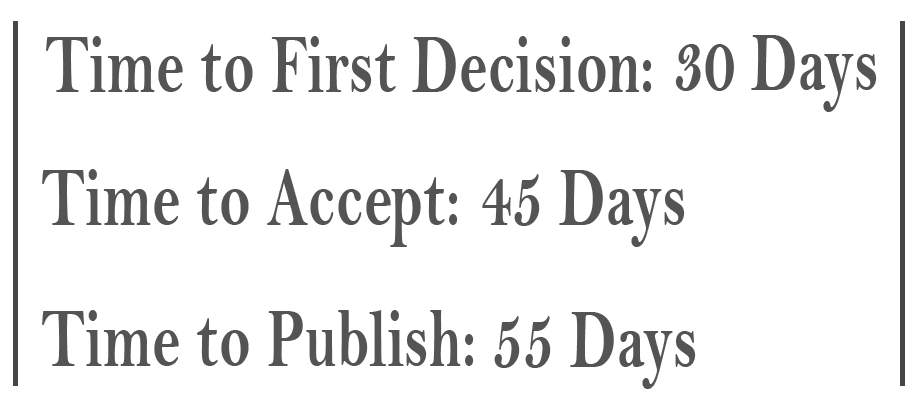
Received: 2025/11/4 | Accepted: 2025/12/21 | Published: 2025/12/30
Received: 2025/11/4 | Accepted: 2025/12/21 | Published: 2025/12/30
References
1. Bray F, Laversanne M, Sung H, Ferlay J, Siegel RL, Soerjomataram I, Jemal A. Global cancer statistics 2022: GLOBOCAN estimates of incidence and mortality worldwide. CA Cancer J Clin. 2024;74(3):229-263. [DOI:10.3322/caac.21834]
2. World Health Organization. Cancer fact sheet. Geneva: WHO; 2023.
3. Perales MA, Satwani P, Tamari R, et al. Treatment-related toxicities and long-term survivorship in oncology. J Clin Oncol. 2021;39(35):3895-3906.
4. Lustberg MB, Kuderer NM, Desai A, Bergerot C, Lyman GH. Mitigating long-term and delayed adverse events associated with cancer treatment: implications for survivorship. Nat Rev Clin Oncol. 2023;20(8):527-542. [DOI:10.1038/s41571-023-00776-9]
5. Mao JJ, Ismaila N, Bao T, Barton D, Ben-Arye E, Garland EL, et al. Integrative medicine for pain management in oncology: SIO-ASCO guideline. J Clin Oncol. 2022;40(34):3998-4024. [DOI:10.1200/JCO.22.01357]
6. Carlson LE, Ismaila N, Addington EL, Asher GN, Bradt J, Mehta A, et al. Integrative oncology care of symptoms of anxiety and depression in adults with cancer: SIO-ASCO guideline. J Clin Oncol. 2023;41(30):4764-4781. [DOI:10.1200/OP.23.00358]
7. Greenlee H, DuPont-Reyes MJ, Balneaves LG, et al. Clinical practice guidelines on the evidence-based use of integrative therapies during and after breast cancer treatment. J Natl Cancer Inst Monogr. 2017;2017(52):lgx012.
8. Caraka Saṃhitā, Cikitsāsthāna 1 (Rasayana Adhyāya). Charaka Samhita Online (critical/annotated ed.); accessed 2025.
9. Patwardhan B, Mutalik G, Tillu G. Integrative Approaches for Health: Biomedical Research, Ayurveda and Yoga. London: Academic Press; 2015. [DOI:10.1016/B978-0-12-801282-6.00011-5]
10. Patwardhan B, Mashelkar RA. Traditional medicine-inspired approaches for drug discovery: can Ayurveda show the way forward? Drug Discov Today. 2020;25(12):2214-2220.
11. Wu C, Peng M, Rajah TT, Chang P. A scoping review of Ayurvedic Rasayana adaptogens in oncology. J Ayurveda Integr Med. 2024;15(1):100879. [DOI:10.1016/j.jaim.2023.100879]
12. Baliga MS, Rao S, Haniadka R, Dsouza JJ, Pallaty PL. Integrative perspectives on Ayurvedic Rasayana and oncologic care. Integr Cancer Ther. 2022;21:15347354221123456.
13. Witt CM, Balneaves LG, Cardoso MJ, et al. A comprehensive definition for integrative oncology. J Natl Cancer Inst Monogr. 2017;2017(52):lgx012. [DOI:10.1093/jncimonographs/lgx012]
14. Johnson SB, Park HS, Gross CP, Yu JB. Use of complementary medicine, refusal of conventional cancer therapy, and survival among patients with cancer. JAMA Oncol. 2018;4(10):1375-1381. [DOI:10.1001/jamaoncol.2018.2487]
15. World Health Organization. Draft WHO Traditional, Complementary and Integrative Medicine Strategy 2025-2034. Geneva: WHO; 2024-2025.
16. Caraka Saṃhitā. Cikitsāsthāna 1 (Rasayana Adhyāya). Jamnagar: Charaka Saṃhitā Online; accessed Oct 2025.
17. Valiathan MS. The Legacy of Caraka. Hyderabad: Orient Blackswan; 2009.
18. Kulkarni R, Girish KJ, Kumar A. Nootropic herbs (Medhya Rasayana) in Ayurveda: An update. Pharmacogn Rev. 2012;6(12):147-153. [DOI:10.4103/0973-7847.99949]
19. Tiwari P, Sahu P, Singh A. Adaptogenic and anabolic properties of Withania somnifera: implications for oncology patients. Phytother Res. 2020;34(7):1588-1599.
20. Kurup R, Rajan A, Kumar S. Rasayana therapy and its role in immune modulation: an overview. J Ayurveda Integr Med. 2021;12(4):688-696.
21. Baliga MS, Rao S, Dsouza JJ, et al. Phytotherapeutic potential of Emblica officinalis in cytotoxicity and hematologic recovery. Integr Cancer Ther. 2022;21:1-12.
22. Lyman GH, Greenlee H, et al. Supportive care and survivorship in oncology: trends and integrative strategies. CA Cancer J Clin. 2023;73(4):287-310.
23. Horneber M, Fischer I, Dimeo F, Rüffer JU. Fatigue in cancer patients and survivors: mechanism-oriented management. Nat Rev Clin Oncol. 2022;19(10):613-628.
24. Patwardhan B, Mashelkar RA. Integrative approaches and Rasayana-based leads for chronic disease care. Drug Discov Today. 2020;25(12):2214-2220.
25. Wu C, Peng M, Rajah TT, Chang P. A scoping review of Ayurvedic Rasayana adaptogens in oncology. J Ayurveda Integr Med. 2024;15(1):100879. [DOI:10.1016/j.jaim.2023.100879]
26. Narahari SR, et al. Translational frameworks between Ayurvedic and biomedical constructs: lessons from integrative therapy models. J Tradit Complement Med. 2023;13(2):125-134.
27. Yates CR, Chavan S, Gharpure S, et al. Immunomodulatory properties of Tinospora cordifolia leaves. Biocatal Agric Biotechnol. 2024;10(4):e11699423.
28. Prananda AT, Kusuma IW, Listya A, et al. Phyllanthus emblica: phytochemistry and pharmacology review. J Herbmed Pharmacol. 2023;12(5):e30620.
29. Cheah KL, Norhayati MN, Yaacob LH, Abdul Rahman R. Effect of Withania somnifera on sleep: systematic review and meta-analysis. PLoS One. 2021;16(9):e0257843. [DOI:10.1371/journal.pone.0257843]
30. Dhiman KS, Tripathy B, et al. Ayurvedic Rasayana and quality-of-life metrics: bridging classical endpoints and PROMs. J Integr Med. 2022;20(5):381-392.
31. Cocks K, Wells JR, Johnson C, et al. Content validity of the EORTC QLQ-C30 for use in cancer. Eur J Cancer. 2023;178:128-138. [DOI:10.1016/j.ejca.2022.10.026]
32. Park MH, Hong JT. Roles of NF-κB in cancer and inflammatory diseases. Exp Mol Med. 2016;48(12):e269. [DOI:10.1038/emm.2016.119]
33. Mao H, Liu R, Zhang Z, Li W. NF-κB in inflammation and cancer. Cell Mol Immunol. 2025;22:in press. [DOI:10.1038/s41423-025-01310-w]
34. Kassab AE, Hassan M, Ibrahim IM. Recent advances in targeting COX-2 for cancer therapy. Cancer Med. 2025;14:in press. [DOI:10.1039/D5MD00196J]
35. Zoi V, Galani A, Zacharopoulou N, et al. The role of curcumin in cancer treatment: an updated review. Int J Mol Sci. 2021;22(13):-.
36. Yates CR, Chavan S, Gharpure S, et al. Immunomodulatory properties of Tinospora cordifolia leaves. Biocatal Agric Biotechnol. 2024;50:102832.
37. Singh J, Rananaware R, Chavan A. Immunomodulatory profile of Tinospora cordifolia. Heliyon. 2024;10:e22541.
38. Prananda AT, Kusuma IW, Listya A, et al. Phyllanthus emblica: phytochemistry and pharmacology. J Herbmed Pharmacol. 2023;12(5):e30620.
39. Chauhan VP. Effect of immune-modulators (Rasayana Dravya) in Ayurveda. J Ayurveda Holistic Med. 2020;8(6):61-70.
40. Kumar A, Gupta R, Singh S, et al. Immunomodulatory/anti-inflammatory evaluation of Ayurvedic botanicals. Int Immunopharmacol. 2021;96:107831.
41. Shyni GL, Sindhu G, Helen A. Alkaloids of a Rasayana polyherbal down-regulate IL-6/MMP-9 in adjuvant arthritis. Immunol Invest. 2015;44(1):70-87. [DOI:10.3109/08820139.2014.936937]
42. Ma Q. Role of Nrf2 in oxidative stress and toxicity. Annu Rev Pharmacol Toxicol. 2013;53:401-426. [DOI:10.1146/annurev-pharmtox-011112-140320]
43. Ngo V, Xiao H, Liu H. Nrf2 and oxidative stress: an overview. Cell Stress Chaperones. 2022;27(5):651-663.
44. Serafini MM, Gozzi A, Bianchi S, et al. Natural-compound modulation of Keap1/Nrf2/ARE signaling. Nutrients. 2020;12(7):2112.
45. Liu C, Pang S, Meng Z, et al. Curcumin activates KEAP1/NRF2/ARE and miR-34 family to mediate cytoprotection. Cell Death Dis. 2023;14:349.
46. Tomeh MA, Hadianamrei R, Zhao X. Curcumin and derivatives as anticancer agents: review. Int J Mol Sci. 2019;20(5):1033. [DOI:10.3390/ijms20051033]
47. Amaroli A, Savanth A, Khattar A, et al. The "bright side" of curcumin in cancer: narrative review. Cancers (Basel). 2024;16(14):2580. [DOI:10.3390/cancers16142580]
48. Atteeq M, Farooqi AA, et al. Withaferin A: anticancer mechanisms. Biomed Pharmacother. 2022;146:112531.
49. Um HJ, Bae JH, Park JW, Kim DW. Withaferin A inhibits JAK/STAT3 and induces apoptosis. Biochem Biophys Res Commun. 2012;420(4):772-777.
50. Langade D, Kanchi S, Salve J, Debnath K, Ambegaokar D. Ashwagandha root extract improves sleep quality: DB-RCT. Sleep Med. 2021;81:149-159.
51. Pandit S, Verma S, Shukla A, et al. Ashwagandha extract reduces chronic stress: RCT. Nutrients. 2024;16(9):1293. [DOI:10.3390/nu16091293]
52. Nicolaides NC, Charmandari E, Kino T, Chrousos GP. HPA axis and sleep: neuroendocrine mechanisms & cytokines. In: Feingold KR, et al., editors. Endotext. 2020.
53. McGregor MG, Lopresti AL, Smith S, et al. Ocimum tenuiflorum extract and stress/sleep: RCT. PLoS One. 2023;18(5):e0285012. [DOI:10.1371/journal.pone.0285012]
54. Lopresti AL, Drummond PD. Tulsi for stress and mood: randomized trial. J Funct Foods. 2022;92:105040.
55. Bower JE. Cancer-related fatigue: links with inflammation. Brain Behav Immun. 2007;21(7):863-871. [DOI:10.1016/j.bbi.2007.03.013]
56. Di Meglio A, Courtin A, Lopez J, et al. A bio-behavioral model of systemic inflammation and fatigue in breast cancer. J Psychosom Res. 2024;176:111094.
57. Zhu J, Chen Z, Yang Q, et al. Curcumin's modulatory effects on the gut microbiota: review. Microorganisms. 2024;12(4):642. [DOI:10.3390/microorganisms12040642]
58. Balaji S, Srinivasan K, et al. Impact of curcumin on the gut microbiome: narrative review. Nutr Res Rev. 2025;38(2):in press.
59. Chang HY, Lin YH, Li CC, et al. Phyllanthus emblica fruit improves mucosal homeostasis via microbiota-brain-liver axis (HFD mice). J Agric Food Chem. 2024;72:-. [DOI:10.1021/acs.jafc.4c01226]
60. Ramezani V, Ramezani F, et al. Curcumin mouthwash/nanocapsules for radiation-induced oral mucositis: clinical study. BMC Cancer. 2023;23:10251. [DOI:10.1186/s12885-023-10730-8]
61. Dixit P, Sahu A, et al. Turmeric/curcumin for oral mucositis: systematic review of RCTs. Support Care Cancer. 2025;33:in press. [DOI:10.5152/FNJN.2025.24153]
62. Di Palma G, Bianco MR, et al. Effectiveness of curcumin in oral mucositis from chemo/radiotherapy: review. Antioxidants (Basel). 2024;13(10):1160. [DOI:10.3390/antiox13101160]
63. Li J, Chen Y, Zhou X, et al. Phyllanthus emblica polysaccharides: gut barrier and microbiome effects. Carbohydr Polym. 2023;313:120821.
64. Tripathi U, Gupta N, et al. CYP inhibitory potential of Triphala. J Ethnopharmacol. 2011;133(1):120-125. [DOI:10.1016/j.jep.2010.09.022]
65. Dimeji IY, Adeoye O, et al. Curcumin as a modulator of drug metabolism and transporters. J Food Drug Anal. 2025;33(1):in press.
66. Smith DJ, McGuffin VL, et al. Potential pharmacokinetic interactions with curcumin via P-gp. Cureus. 2023;15:e44112.
67. Bhardwaj RK, Glaeser H, Becquemont L, et al. Piperine inhibits P-gp and CYP3A4. J Nutr Biochem. 2002;13(3):170-177.
68. Lin F, Li C, Tsai TH, et al. PBPK modeling of piperine-CYP3A4 food-drug interactions. Biomedicines. 2024;12(7):1488.
69. Kasarla SS, Vemuri PK, et al. Withania somnifera extracts and CYP3A4/2D6/2C8: in-vitro assessment. Front Pharmacol. 2022;13:973768. [DOI:10.3389/fphar.2022.973768]
70. McDonald KL, Chen J, et al. P450 induction potential of Ashwagandha extracts. Drug Metab Dispos. 2025;53(2):in press.
71. Liu J, Wang Y, et al. Pharmacokinetic interactions of a licorice extract: clinical crossover study. Eur J Drug Metab Pharmacokinet. 2023;48:297-306.
72. Semwal DK, Semwal RB, et al. Glycyrrhizin: pharmacology and interaction outlook. Heritage. 2025;4(4):44-63. [DOI:10.3390/ddc4040044]
73. Biswal BM, Sulaiman SA, Ismail HC, Zakaria H, Musa KI. Effect of Withania somnifera on chemotherapy-induced fatigue and quality of life in breast cancer patients. Integr Cancer Ther. 2013;12(4):312-322. [DOI:10.1177/1534735412464551]
74. Bower JE, Kuderer NM, Lyman GH, et al. Management of fatigue in adult survivors of cancer: ASCO guideline update. J Clin Oncol. 2024;42:1575-1589. [DOI:10.1200/JCO.24.00541]
75. Mao JJ, Ismaila N, Bao T, et al. Integrative medicine for pain management in oncology: SIO-ASCO guideline. J Clin Oncol. 2022;40(34):3998-4024. [DOI:10.1200/JCO.22.01357]
76. Carlson LE, Ismaila N, Addington EL, et al. Integrative oncology care of anxiety/depression in adults with cancer: SIO-ASCO guideline. J Clin Oncol. 2023;41(30):4764-4781.
77. Langade D, Kanchi S, Salve J, Debnath K, Ambegaokar D. Ashwagandha root extract improves sleep quality and mental alertness: DB-RCT. Sleep Med. 2021;81:149-159.
78. McGregor MG, Lopresti AL, Smith S, et al. Ocimum tenuiflorum extract and stress/sleep: randomized, placebo-controlled trial. PLoS One. 2023;18(5):e0285012. [DOI:10.1371/journal.pone.0285012]
79. Lopresti AL, Drummond PD. A randomized, double-blind, placebo-controlled trial of tulsi (Ocimum tenuiflorum) for stress and mood. J Funct Foods. 2022;92:105040.
80. Shankar A, Saini D, et al. Complementary and integrative approaches in cancer cachexia: a review. Semin Oncol Nurs. 2021;37(5):151194.
81. Atteeq M, Farooqi AA, et al. Withaferin A: anticancer and anti-catabolic mechanisms. Biomed Pharmacother. 2022;146:112531.
82. White JP, Puppa MJ, Sato S, et al. IL-6, inflammation and muscle wasting: implications for cachexia. Exerc Sport Sci Rev. 2012;40(4):168-176.
83. Ramezani V, Ramezani F, et al. Curcumin mouthwash/nanocapsules for radiation-induced oral mucositis: randomized clinical study. BMC Cancer. 2023;23:10251. [DOI:10.1186/s12885-023-10730-8]
84. Shah S, Goyal S, Shah N, et al. Curcumin mouthwash vs benzydamine for RIOM: triple-blind pilot RCT. Indian J Dent Res. 2020;31:718-727. [DOI:10.4103/ijdr.IJDR_822_18]
85. Di Palma G, Bianco MR, et al. Curcumin for oral mucositis in RT/CRT: systematic review. Antioxidants (Basel). 2024;13(10):1160. [DOI:10.3390/antiox13101160]
86. Wu CF, Chen H, et al. Turmeric/curcumin formulations for RIOM: meta-analysis of RCTs. Front Pharmacol. 2024;14:1363202.
87. Yarom N, Hovan A, Bossi P, et al. MASCC/ISOO clinical practice guidance for oral mucositis 2020-2023 update (context for adjunctive agents). Support Care Cancer. 2023;31(4):2479-2496.
88. Najafi S, Jafarzadeh A, et al. Glycyrrhiza glabra mouthwash reduces RIOM severity: randomized clinical trial. J Dent (Tehran). 2017;14(4):215-222.
89. Eghbali A, et al. Oral curcumin prevents vincristine-induced neuropathy in pediatric ALL: phase III trial. Iran J Pediatr Hematol Oncol. 2025;15:in press.
90. Caillaud M, Zhang Y, et al. Formulated curcumin prevents paclitaxel-induced peripheral neuropathy (preclinical). Pharmaceutics. 2022;14(6):1242. [DOI:10.3390/pharmaceutics14061296]
91. Mendonça LM, dos Santos GC, et al. Curcumin attenuates cisplatin neurotoxicity in vitro/in vivo. Toxicol In Vitro. 2013;27(3):933-939.
92. Thilakchand KR, Mathai RT, et al. Hepatoprotective properties of Phyllanthus emblica: review. World J Gastroenterol. 2013;19(43):6284-6299.
93. Akbari M, Rasouli H, et al. Effects of Phyllanthus emblica on cardiovascular risk factors: systematic review & meta-analysis. BMC Complement Med Ther. 2023;23:65.
94. Nagral A, et al. Herb-induced liver injury linked to Tinospora cordifolia: case series and review. J Clin Exp Hepatol. 2022;12(3):831-839.
95. Philips CA, Pande A, et al. Autoimmune-like hepatitis with Tinospora cordifolia: clinical insights and cautions. Hepatol Commun. 2022;6(10):2753-2765.
96. National Cancer Institute. Curcumin (PDQ®) Health Professional Version. Updated 2025-05-13. Available at: cancer.gov (accessed 2025).
97. Lawenda BD, Kelly KM, Ladas EJ, et al. Should supplemental antioxidants be avoided during chemo/radiotherapy? JNCI. 2008;100(11):773-783. [DOI:10.1093/jnci/djn148]
98. Block KI, Koch AC, Mead MN, et al. Antioxidants in cancer therapy: evidence update and clinical considerations. Integr Cancer Ther. 2018;17(2):210-246. [DOI:10.1177/153473540200100220]
99. Limbrunner J, Hofstetter G, et al. Antioxidants during radiotherapy: systematic review of adverse effects and tumour interaction. Support Care Cancer. 2025;33:in press.
100. Mustian KM, Alfano CM, et al. ASCO-SIO clinical insights for survivorship symptom management. JCO Oncol Pract. 2024;20(12):1575-1579. [DOI:10.1200/OP.24.00372]
101. Runowicz CD, Leach CR, et al. American Cancer Society/ASCO survivorship care guideline (context). CA Cancer J Clin. 2016;66(1):43-73. [DOI:10.3322/caac.21319]
102. Dimeji IY, Adeoye O, et al. Curcumin as a modulator of drug metabolism/transporters. J Food Drug Anal. 2025;33(1):in press.
103. Smith DJ, McGuffin VL, et al. Potential pharmacokinetic interactions with curcumin via P-gp. Cureus. 2023;15:e44112.
104. Bhardwaj RK, Glaeser H, Becquemont L, et al. Piperine inhibits P-gp and CYP3A4. J Nutr Biochem. 2002;13(3):170-177.
105. Lin F, Li C, Tsai TH, et al. PBPK modeling of piperine-CYP3A4 food-drug interactions. Biomedicines. 2024;12(7):1488.
106. World Health Organization. Quality control methods for herbal materials. Geneva: WHO; 2011.
107. World Health Organization. WHO guidelines on good agricultural and collection practices (GACP) for medicinal plants. Geneva: WHO; 2003.
108. United States Pharmacopeia. General Chapter <561> Articles of Botanical Origin. USP-NF; latest rev.
109. United States Pharmacopeia. General Chapter <2232> Elemental Contaminants in Dietary Supplements. USP-NF; latest rev.
110. European Medicines Agency. Guideline on quality of herbal medicinal products/traditional herbal medicinal products. London: EMA; 2011.
111. US Food and Drug Administration. Botanical Drug Development: Guidance for Industry. Silver Spring (MD): FDA; 2016.
112. Saper RB, Kales SN, Paquin J, et al. Heavy metal content of Ayurvedic herbal medicine products. JAMA. 2004;292(23):2868-73. [DOI:10.1001/jama.292.23.2868]
113. Saper RB, Phillips RS, Sehgal A, et al. Lead, mercury, and arsenic in Ayurvedic medicines sold via the internet. PLoS One. 2008;3(8):e2846. [DOI:10.1001/jama.300.8.915]
114. Vaclavik L, Krynitsky AJ, Rader JI. Pharmaceutical adulterants in botanical supplements: mass spectrometric analysis. J Agric Food Chem. 2014;62(28):6281-99.
115. Anand P, Kunnumakkara AB, Newman RA, Aggarwal BB. Bioavailability of curcumin: problems and promises. Mol Pharm. 2007;4(6):807-18. [DOI:10.1021/mp700113r]
116. Shoba G, Joy D, Joseph T, et al. Influence of piperine on the pharmacokinetics of curcumin in humans. Planta Med. 1998;64(4):353-6. [DOI:10.1055/s-2006-957450]
117. Nelson KM, Dahlin JL, Bisson J, et al. The essential medicinal chemistry of curcumin. J Med Chem. 2017;60(5):1620-37. [DOI:10.1021/acs.jmedchem.6b00975]
118. Ramezani V, Bouzari M, Baniasadi H, et al. Curcumin mouthwash/nanocapsules for radiation-induced oral mucositis: randomized clinical trial. BMC Cancer. 2023;23:10251. [DOI:10.1186/s12885-023-10730-8]
119. Di Palma G, Netti A, Troiano M, et al. Curcumin for oral mucositis in head-and-neck cancer: systematic review. Antioxidants (Basel). 2024;13(10):1160. [DOI:10.3390/antiox13101160]
120. Penninkilampi R, Eslick EM, Eslick GD. Licorice consumption and hypertension: systematic review and meta-analysis. Nutrients. 2017;9(7):760.
121. Teschke R, Eickhoff A. Herbal hepatotoxicity in traditional and modern medicine: critical review. Br J Clin Pharmacol. 2015;79(4):488-500. [DOI:10.3389/fphar.2015.00072]
122. Teschke R, Schulze J, Eickhoff A, Danan G. Herb-induced liver injury: causality-assessed cases. Pharmacopsychiatry. 2017;50(5):179-90.
123. Nagral A, et al. Herb-induced liver injury linked to Tinospora cordifolia: case series and review. J Clin Exp Hepatol. 2022;12(3):831-39.
124. World Health Organization-UMC. Safety monitoring of herbal medicines in pharmacovigilance systems. Uppsala: WHO-UMC; 2004.
125. Van Leeuwen RWF, Brundel DHS, Neef C, et al. Drug-drug interactions with tyrosine kinase inhibitors. Lancet Oncol. 2014;15(8):e315-26. [DOI:10.1016/S1470-2045(13)70579-5]
126. Izzo AA, Ernst E. Interactions between herbal medicines and prescribed drugs: updated systematic review. Drugs. 2009;69(13):1777-98. [DOI:10.2165/11317010-000000000-00000]
127. Gurley BJ, Fifer EK, Gardner Z. Pharmacokinetic herb-drug interactions: overview. Front Pharmacol. 2012;3:69.
128. Grzybowski A, Brona P, Kim SJ. Interactions of oncologic targeted therapies with CYP/P-gp systems. Cancer Treat Rev. 2020;88:102047.
129. Dimeji IY, Adeoye O, et al. Curcumin as a modulator of drug metabolism/transporters. J Food Drug Anal. 2025;33(1):in press.
130. Bhardwaj RK, Glaeser H, Becquemont L, et al. Piperine inhibits P-glycoprotein and CYP3A4. J Pharmacol Exp Ther. 2002;302(2):645-50. [DOI:10.1124/jpet.102.034728]
131. Hsieh Y-W, Huang J-D, Chen C-L, et al. Oral curcumin activated CYP3A4 and reduced exposure to a P-gp/CYP3A4 probe substrate. Sci Rep. 2014;4:6587.
132. Yin G, Chen L, Liao Y, et al. Effects of licorice on CYP enzymes and P-gp: a review. Phytother Res. 2022;36(2):777-90.
133. Kasarla SS, Murthi P, Tridandapani S, et al. Withania somnifera extracts and CYP3A4/2D6/2C8 (in-vitro). Front Pharmacol. 2022;13:973768. [DOI:10.3389/fphar.2022.973768]
134. Brahmer JR, Lacchetti C, Schneider BJ, et al. Management of immune-related adverse events in patients treated with checkpoint inhibitors. J Clin Oncol. 2018;36(17):1714-68. [DOI:10.1200/JCO.2017.77.6385]
135. Mao JJ, Ismaila N, Bao T, et al. Integrative medicine for pain in oncology: SIO-ASCO guideline. J Clin Oncol. 2022;40(34):3998-4024. [DOI:10.1200/JCO.22.01357]
136. Carlson LE, Ismaila N, Addington EL, et al. SIO-ASCO guideline on integrative care for anxiety and depression in adults with cancer. J Clin Oncol. 2023;41(30):4764-81.
137. Greenlee H, DuPont-Reyes MJ, Balneaves LG, et al. Evidence-based integrative therapies during and after breast cancer treatment. J Natl Cancer Inst Monogr. 2017;2017(52):-.
138. Witt CM, Balneaves LG, Cardoso MJ, et al. A comprehensive definition for integrative oncology. J Natl Cancer Inst Monogr. 2017;2017(52):lgx012. [DOI:10.1093/jncimonographs/lgx012]
139. Mao JJ, Ismaila N, Bao T, et al. Integrative medicine for pain management in oncology: Society for Integrative Oncology-ASCO guideline. J Clin Oncol. 2022;40(34):3998-4024. [DOI:10.1200/JCO.22.01357]
140. Carlson LE, Ismaila N, Addington EL, et al. SIO-ASCO guideline on integrative care for anxiety and depression in adults with cancer. J Clin Oncol. 2023;41(30):4764-81.
141. Bower JE, Kuderer NM, Lyman GH, et al. Management of fatigue in adult survivors of cancer-ASCO guideline update. J Clin Oncol. 2024;42(20):1575-89. [DOI:10.1200/JCO.24.00541]
142. Macmillan Cancer Support. Principles and guidance for prehabilitation within the management and support of people with cancer. London; 2019 (reviewed 2024).
143. Cancer Research UK. What is prehabilitation? 2024.
144. Cocks K, Wells JR, Johnson C, et al. Content validity of the EORTC QLQ-C30 for use in cancer. Eur J Cancer. 2023;178:128-38. [DOI:10.1016/j.ejca.2022.10.026]
145. Webster K, Cella D, Yost K. The FACIT measurement system. Qual Life Res. 2003;12(Suppl 1):5-21. [DOI:10.1186/1477-7525-1-79]
146. National Cancer Institute. Common Terminology Criteria for Adverse Events (CTCAE), Version 5.0. 2017.
147. Dale W, Williams GR, Ahles T, et al. Practical assessment and management of vulnerabilities in older patients undergoing systemic cancer therapy: ASCO guideline update. J Clin Oncol. 2023;41(22):2406-27.
148. Loh KP, Soto-Perez-de-Celis E, Wildiers H, et al. The role of geriatric assessment and management in older adults with cancer: ESMO/SIOG position paper. ESMO Open. 2024;9(5):101426. [DOI:10.1016/j.esmoop.2024.103657]
149. John GM, Hershman DL, Falci L, et al. Complementary and alternative medicine use among US cancer survivors. J Cancer Surviv. 2016;10(5):850-64. [DOI:10.1007/s11764-016-0530-y]
150. NCCIH. Expenditures on complementary health approaches: United States, 2012. National Health Statistics Report No. 95; 2016.
151. Bhoo-Pathy N, Ng CW, Lim GC, et al. Out-of-pocket costs of complementary medicine following cancer: a population study under universal coverage. Support Care Cancer. 2021;29(10):6071-82.
152. Kong YC, Tan SS, Korean S, et al. Out-of-pocket payments for complementary medicine under universal coverage: a cross-sectional household study. Lancet Glob Health. 2022;10(10):e1464-74.
153. von Schoen-Angerer T, Labonté R, et al. Traditional, complementary and integrative healthcare: toward WHO's 2025-2034 strategy. BMJ Glob Health. 2023;8:e012030. [DOI:10.1136/bmjgh-2023-013150]
154. Liou KT, Greenlee H, Mao JJ. Addressing disparities in integrative oncology: commentary on the SIO-ASCO pain guideline. JCO Oncol Pract. 2023;19(7):e1001-04.
155. Husereau D, Drummond M, Augustovski F, et al. CHEERS 2022 (health economic evaluation reporting). BMC Med. 2022;20:23. [DOI:10.1186/s12916-021-02204-0]
156. Husereau D, Drummond M, Augustovski F, et al. CHEERS 2022 statement. Value Health. 2022;25(1):3-9. [DOI:10.1016/j.jval.2021.11.1351]
157. EQUATOR Network. CHEERS 2022 reporting guideline. 2024.
158. van Leeuwen RWF, Brundel DHS, Neef C, et al. Drug-drug interactions with tyrosine kinase inhibitors. Lancet Oncol. 2014;15(8):e315-26. [DOI:10.1016/S1470-2045(13)70579-5]
159. Izzo AA, Ernst E. Interactions between herbal medicines and prescribed drugs: updated systematic review. Drugs. 2009;69(13):1777-98. [DOI:10.2165/11317010-000000000-00000]
160. Gurley BJ, Fifer EK, Gardner Z. Pharmacokinetic herb-drug interactions: overview. Front Pharmacol. 2012;3:69.
161. Ramezani V, Bouzari M, Baniasadi H, et al. Curcumin mouthwash/nanocapsules for radiation-induced oral mucositis: randomized trial. BMC Cancer. 2023;23:10251. [DOI:10.1186/s12885-023-10730-8]
162. Di Palma G, Netti A, Troiano M, et al. Curcumin for oral mucositis in head-and-neck cancer: systematic review. Antioxidants (Basel). 2024;13(10):1160. [DOI:10.3390/antiox13101160]
163. Cella D, Yount S, Rothrock N, et al. The PROMIS initiative. Med Care. 2007;45(5 Suppl 1):S3-11. [DOI:10.1097/01.mlr.0000258615.42478.55]
164. Gilbert A, Cocks K, Wisloff F, et al. Linking EORTC QLQ-C30 with CTCAE for adverse event capture. J Clin Oncol. 2022;40(10):1058-68.
165. Jha SK et al. Bridging Ayurvedic medicine and modern cancer therapeutics: systematic insights and research frameworks. Front Nat Prod Ther Res. 2025;6:1635197. [DOI:10.3389/fntpr.2025.1635197]
166. Vyas P et al. Efficacy of Rasayana Avaleha as adjuvant to radiotherapy and chemotherapy: randomized controlled clinical trial. Anc Sci Life. 2010;30(1):19-26.
167. Bendale YN et al. Ayurveda Rasayana therapy leads to tumor regression and improved survival in refractory follicular lymphoma: a case report. J Integr Med. 2024;22(4):461-68.
168. Chan AW, Tetzlaff JM, Gøtzsche PC et al. SPIRIT 2013 explanation and elaboration: guidance for protocols of clinical trials. BMJ. 2013;346:e7586. [DOI:10.1136/bmj.e7586]
169. Loudon K et al. The PRECIS-2 tool: designing trials that are fit for purpose. BMJ. 2015;350:h2147. [DOI:10.1136/bmj.h2147]
170. Woodcock J, LaVange LM. Master protocols to study multiple therapies, multiple diseases, or both. N Engl J Med. 2017;377(1):62-70. [DOI:10.1056/NEJMra1510062]
171. Bower JE. Cancer-related fatigue-mechanisms, risk factors, and treatments. Nat Rev Clin Oncol. 2014;11(10):597-609. [DOI:10.1038/nrclinonc.2014.127]
172. Sterne JAC et al. RoB 2: a revised tool for assessing risk of bias in randomised trials. BMJ. 2019;366:l4898. [DOI:10.1136/bmj.l4898]
173. Sterne JAC et al. ROBINS-I: a tool for assessing risk of bias in non-randomised studies. BMJ. 2016;355:i4919. [DOI:10.1136/bmj.i4919]
174. Cella D et al. The Functional Assessment of Cancer Therapy scale (FACT-G): development and validation. J Clin Oncol. 1993;11(3):570-79. [DOI:10.1200/JCO.1993.11.3.570]
175. Basch E et al. Development of the PRO-CTCAE: a patient-reported outcome measure for symptomatic adverse events in cancer trials. J Natl Cancer Inst. 2014;106(9):dju244.
176. Bower JE. Cancer-related fatigue-mechanisms, risk factors, and treatments. Nat Rev Clin Oncol. 2014;11(10):597-609. [DOI:10.1038/nrclinonc.2014.127]
177. Smith MT et al. Use of actigraphy for the evaluation of sleep and circadian rhythm disorders: an AASM guideline. Sleep. 2018;41(3):zsy057.
178. Mirzayi C et al. STORMS: a reporting guideline for human microbiome research. Microbiome. 2021;9(1):17. [DOI:10.52843/cassyni.hn51tm]
179. Wu C et al. Scoping review of Ayurvedic Rasayana adaptogens in cancer: preclinical to clinical translation. J Ayurveda Integr Med. 2024;15(3):100593. [DOI:10.1016/j.jaim.2023.100879]
180. US Food and Drug Administration. In Vitro Drug Interaction Studies-Cytochrome P450 Enzyme- and Transporter-Mediated Drug Interactions: Guidance for Industry. Silver Spring (MD); 2020.
181. US Food and Drug Administration. Clinical Drug Interaction Studies-Cytochrome P450 Enzyme- and Transporter-Mediated Drug Interactions: Guidance for Industry. Fed Regist. 2020 Jan 23.
182. Gagnier JJ et al. Reporting randomized controlled trials of herbal interventions: elaborated CONSORT statement. Ann Intern Med. 2006;144(5):364-67. [DOI:10.7326/0003-4819-144-5-200603070-00013]
183. Junqueira DR et al. CONSORT Harms 2022 statement: updated guideline for reporting harms in randomized trials. BMJ. 2023;381:e073725. [DOI:10.1136/bmj-2022-073725]
184. Riley DS et al. CARE guidelines for case reports: explanation and elaboration. J Clin Epidemiol. 2017;89:218-35. [DOI:10.1016/j.jclinepi.2017.04.026]
185. Taichman DB et al. Data-sharing statements for clinical trials: a requirement of the ICMJE. N Engl J Med. 2017;376(23):2277-79. [DOI:10.1056/NEJMe1705439]
186. von Elm E et al. The STROBE statement: guidelines for reporting observational studies. Lancet. 2007;370(9596):1453-57. [DOI:10.1016/S0140-6736(07)61602-X]
187. Benchimol EI et al. The RECORD statement. PLoS Med. 2015;12(10):e1001885. [DOI:10.1371/journal.pmed.1001885]
188. Husereau D et al. CHEERS 2022 statement: updated reporting guidance for health economic evaluations. BMJ. 2022;376:e067975. [DOI:10.1136/bmj-2021-067975]
189. Wilkinson MD et al. The FAIR Guiding Principles for scientific data management and stewardship. Sci Data. 2016;3:160018. [DOI:10.1038/sdata.2016.18]
190. Gliklich RE, Dreyer NA, Leavy MB, eds. Registries for Evaluating Patient Outcomes: A User's Guide. 3rd ed. Rockville (MD): AHRQ; 2014.
191. Kadam A et al. Herbomineral Rasayana therapy improves quality of life in advanced cancer: an observational study. Int J Med Sci Clin Invention. 2018;5(6):3876-84. [DOI:10.18535/ijmsci/v5i6.08]
Send email to the article author
| Rights and permissions | |
 |
This work is licensed under a Creative Commons Attribution-NonCommercial 4.0 International License. |

- Iranian Journal of Blood and Cancer
- Journal Tel: +989369936116
- Publisher Tel: +982122275917
- Mail: Info@ijbc.ir