Wed, Jun 17, 2026
[Archive]
Volume 18, Issue 1 (March-2026 2026)
Iranian Journal of Blood and Cancer 2026, 18(1): 113-123 |
Back to browse issues page



Download citation:
BibTeX | RIS | EndNote | Medlars | ProCite | Reference Manager | RefWorks
Send citation to:


BibTeX | RIS | EndNote | Medlars | ProCite | Reference Manager | RefWorks
Send citation to:
Abdolkarimi B, Goodarzi S, Seyedi D, Arbab Solimani S, Pajouhi A, Panahi N, et al . A Review of Newer Pathophysiological Insights into Pediatric Brain Tumors: Revisiting Maintenance and Metronomic Chemotherapy in Resource-Limited Settings. Iranian Journal of Blood and Cancer 2026; 18 (1) :113-123
URL: http://ijbc.ir/article-1-1881-en.html
URL: http://ijbc.ir/article-1-1881-en.html
Babak Abdolkarimi *1 
 , Sina Goodarzi2 , Dina Seyedi3 , Sahar Arbab Solimani4 , Ali Pajouhi5 , Niki Panahi6 , Morteza Ashrafi4 , Mahyar Nourian4
, Sina Goodarzi2 , Dina Seyedi3 , Sahar Arbab Solimani4 , Ali Pajouhi5 , Niki Panahi6 , Morteza Ashrafi4 , Mahyar Nourian4
1- Department of pediatrics, Tehran University of Medical Science, Tehran, Iran. , b.abdolkarimi@yahoo.com
2- Lorestan University of Medical Sciences, Khorramabad, Iran. & Student Research Committee, Faculty of Medicine, Lorestan University of Medical Sciences, Khorramabad, Iran.
3- School of Medicine, Tehran University of Medical Sciences, Tehran, Iran.
4- Mahak Hematology Oncology Research Center (Mahak-HORC), Mahak Hospital, Shahid Beheshti University of Medical Sciences, Tehran, Iran.
5- Student Research Committee, Faculty of Medicine, Lorestan University of Medical Sciences, Khorramabad, Iran. & USERN Office, Lorestan University of Medical Sciences, Khorramabad, Iran.
6- Health Services Management Department, Science and Research Branch, Islamic Azad University, Tehran, Iran.
2- Lorestan University of Medical Sciences, Khorramabad, Iran. & Student Research Committee, Faculty of Medicine, Lorestan University of Medical Sciences, Khorramabad, Iran.
3- School of Medicine, Tehran University of Medical Sciences, Tehran, Iran.
4- Mahak Hematology Oncology Research Center (Mahak-HORC), Mahak Hospital, Shahid Beheshti University of Medical Sciences, Tehran, Iran.
5- Student Research Committee, Faculty of Medicine, Lorestan University of Medical Sciences, Khorramabad, Iran. & USERN Office, Lorestan University of Medical Sciences, Khorramabad, Iran.
6- Health Services Management Department, Science and Research Branch, Islamic Azad University, Tehran, Iran.
Abstract: (25 Views)
Pediatric brain tumors remain a leading cause of morbidity and mortality worldwide, with management in developing countries particularly constrained by limited healthcare resources. This review highlights emerging concepts in tumor biology, particularly the roles of the tumor microenvironment (TME) and cancer stem cells (CSCs), which are increasingly recognized as critical drivers of tumor progression and therapy resistance. We summarize current evidence linking these biological mechanisms with therapeutic strategies, emphasizing practical and cost-effective approaches such as metronomic chemotherapy, maintenance chemotherapy, and intrathecal therapy delivered into the cerebrospinal fluid (CSF). While molecular targeted therapies and immunotherapies offer promise; their high costs limit accessibility in low-resource settings. Nevertheless, carefully tailored use may provide long-term benefits. By integrating pathophysiological insights with pragmatic treatment strategies, this review provides a biologically grounded and clinically applicable framework for oncologists practicing in low-resource environments.
Keywords: Pediatric brain tumors, Developing countries, Tumor microenvironment, Metronomic chemotherapy, Intrathecal chemotherapy, Maintenance chemotherapy, Resource-limited settings
: Review Article |
Subject:
Pediatric Hematology & Oncology
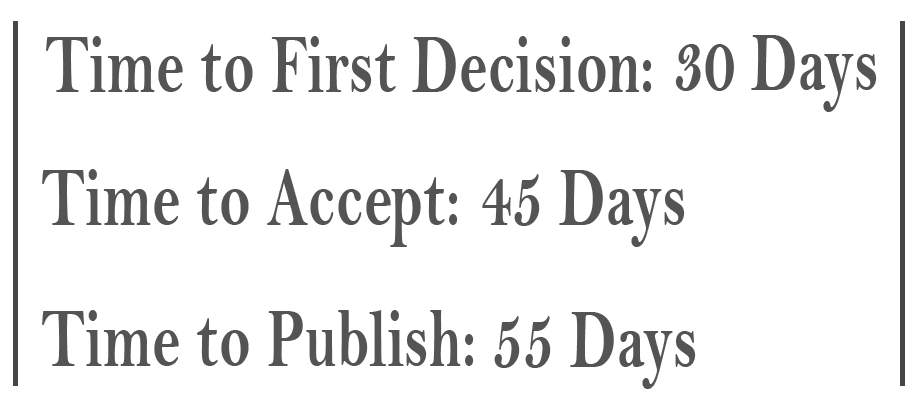
Received: 2026/01/26 | Accepted: 2026/03/13 | Published: 2026/03/31
Received: 2026/01/26 | Accepted: 2026/03/13 | Published: 2026/03/31
Send email to the article author
| Rights and permissions | |
 |
This work is licensed under a Creative Commons Attribution-NonCommercial 4.0 International License. |
- Iranian Journal of Blood and Cancer
- Journal Tel: +989369936116
- Publisher Tel: +982122275917
- Mail: Info@ijbc.ir