

BibTeX | RIS | EndNote | Medlars | ProCite | Reference Manager | RefWorks
Send citation to:


URL: http://ijbc.ir/article-1-1760-en.html


2- Teerthanker Mahaveer Medical College and Research Centre, Teerthanker Mahaveer University, Moradabad, UP, India. ,
Background: Cancer remains a major global health burden, and while conventional treatments like chemotherapy and immunotherapy have improved outcomes, they are limited by resistance and adverse effects. Bacterial-based cancer therapies (BBCTs) offer a promising alternative due to their tumor-targeting ability, immune modulation, and potential as therapeutic vectors.
Objective: This meta-analysis evaluates the efficacy and safety of BBCTs by analyzing tumor growth inhibition (TGI%) in preclinical models and progression-free survival (PFS), overall survival (OS), and optimal response rate (ORR) in clinical studies.
Methods: A systematic search of PubMed, Google Scholar, and Cochrane Library was conducted for relevant studies. Data on treatment efficacy and adverse events were extracted and statistically analyzed.
Results: BBCTs showed significant tumor suppression and survival benefits over controls. PFS consistently demonstrated tumor growth delay, and some OS values extended beyond 35 units, suggesting long-term benefit. However, variability in outcomes was noted, influenced by bacterial strain, tumor type, and immune response. Safety concerns, including toxicity and immune-related effects, were also observed.
Conclusion: BBCTs show strong therapeutic promise, but further clinical validation is needed to improve delivery, consistency, and safety. Personalized, translational research is key to bridging preclinical findings with clinical application.
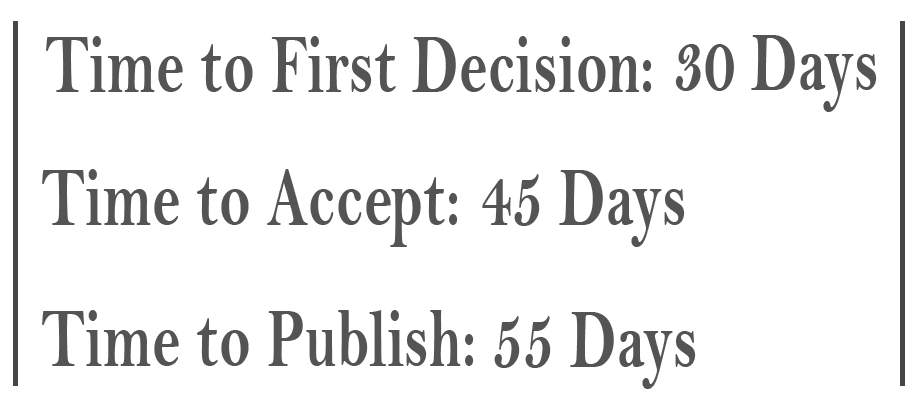
Received: 2025/12/26 | Accepted: 2026/03/10 | Published: 2026/03/31
| Rights and permissions | |
 |
This work is licensed under a Creative Commons Attribution-NonCommercial 4.0 International License. |

- Iranian Journal of Blood and Cancer
- Journal Tel: +989369936116
- Publisher Tel: +982122275917
- Mail: Info@ijbc.ir